Photo via Pexels
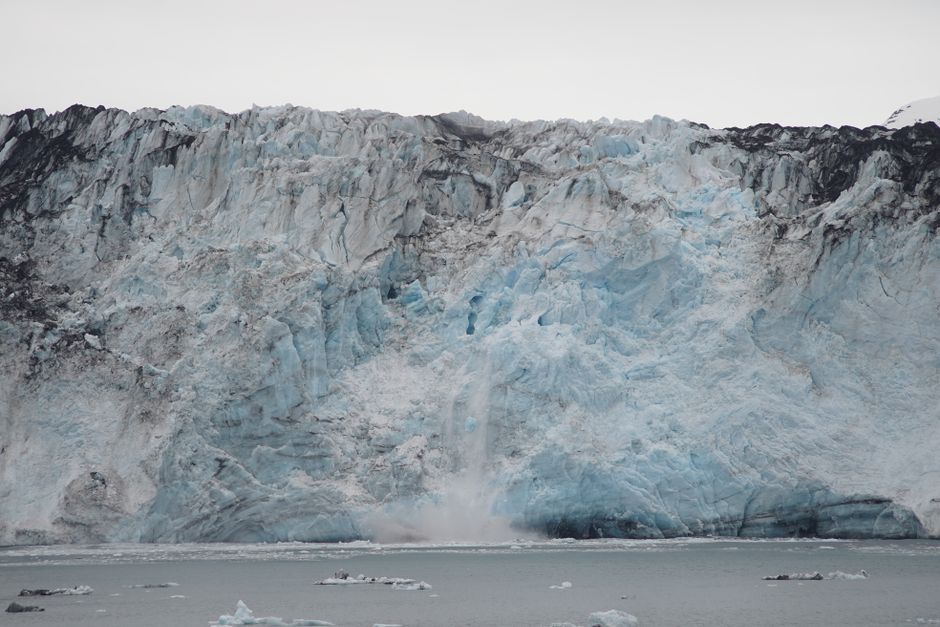
New data from the International Thwaites Glacier Collaboration (ITGC), involving NASA and ESA scientists, indicates that the colossal Thwaites Glacier in West Antarctica is melting at an unexpectedly rapid pace. The glacier, often dubbed the 'Doomsday Glacier' due to its potential impact on global sea levels, is currently losing approximately 50 billion tons of ice per year. Researchers employed advanced radar technology, seismic surveys, and autonomous underwater vehicles to map the seafloor beneath the glacier and observe its grounding line retreat. This accelerated melt is primarily driven by warm ocean currents infiltrating beneath the ice, causing the glacier's bedrock attachment to recede faster than previously modeled. The findings underscore the urgency of addressing global warming to mitigate future sea-level rise.
Editorial check
How this page is checked
Source trail
Editorial source pending
External links are separated from Surfaced commentary.
Reader safety
Context before clicks
Product links and external services are not presented as guarantees.
Monetization
No affiliate flag
Ads and commerce links are kept distinct from editorial text.
Surfaced take
Why It’s Fascinating
The rapid and accelerating melt of Thwaites Glacier is a profound concern for glaciologists and coastal communities worldwide, as it holds enough ice to raise global sea levels by over half a meter. This discovery confirms fears about the vulnerability of West Antarctic ice sheets to ocean warming, overturning older, more conservative melt rate predictions. Within the next 5-10 years, continued acceleration of Thwaites' melt will increase the urgency for coastal adaptation strategies and could necessitate significant investments in flood defenses globally. Imagine a gigantic ice dam slowly crumbling from the inside, unable to hold back a massive reservoir; that's the scenario playing out with Thwaites. Coastal city planners, climate modelers, and disaster preparedness agencies are the primary beneficiaries of this critical information. How quickly will the collapse of Thwaites Glacier trigger the instability of the entire West Antarctic Ice Sheet, and what are the cascading effects?
Related

Gleam
Gleam is an open-source, interactive data visualization tool developed by Google that enables rapid exploration of large datasets directly in your web browser…

Superhuman
Superhuman is an email client designed for speed and efficiency, aiming to help you achieve Inbox Zero faster than ever. It employs keyboard shortcuts for…
Enjoyed this? Get five picks like this every morning.
Free daily newsletter — zero spam, unsubscribe anytime.