
Photo via Pexels
Full-body haptic immersion suits are advanced wearable garments integrated with arrays of sophisticated micro-actuators, thermal elements, and force-feedback mechanisms. These components, including vibrotactile motors, pneumatic bladders, electro-tactile arrays, and Peltier coolers/heaters, precisely stimulate skin mechanoreceptors and thermoreceptors to replicate the sensation of touch, pressure, texture, temperature changes, and even kinetic impacts from virtual environments. Key organizations in this field include HaptX, Teslasuit, OWO Game, and bHaptics, alongside academic labs such as Stanford's Haptics Lab. While early commercial products exist for gaming and professional training, full-body, high-fidelity, and affordable suits are still in advanced R&D and niche market deployment. A significant milestone was HaptX's 2021 demonstration of a haptic glove capable of rendering textures and shapes with sub-millimeter precision and providing force feedback up to 40 pounds per finger. This technology aims to replace standard VR/AR setups that currently offer only visual and auditory feedback, or limited haptic experiences through handheld controllers.
Editorial check
How this page is checked
Source trail
teslasuit.io
External links are separated from Surfaced commentary.
Reader safety
Context before clicks
Product links and external services are not presented as guarantees.
Monetization
No affiliate flag
Ads and commerce links are kept distinct from editorial text.
Surfaced take
Why It Matters
This technology will revolutionize VR/AR experiences by solving the problem of limited immersion, which currently constrains efficacy in training, social connection, and entertainment. Realistic haptics can increase training retention by 20-30% in critical fields like surgery or hazardous operations and significantly enhance entertainment engagement. When mainstream, gamers will feel every hit and texture, surgeons will practice complex procedures with realistic tactile feedback on virtual patients, and friends/family will experience virtual hugs across continents. Winners include VR/AR hardware developers, the gaming industry, simulation and training sectors (medical, military, industrial), and remote work/collaboration platforms. Traditional entertainment and the travel industry could face disruption if virtual experiences become too compelling. Key barriers involve miniaturization and power efficiency of actuators, high manufacturing costs, latency in haptic feedback, achieving a comfortable fit for diverse body types, and developing standardized haptic rendering APIs. High-quality, affordable full-body suits for niche professional markets and high-end gaming could appear in 5-10 years, with widespread consumer adoption in 15-20 years, driven by the US (Meta, Apple), China (Tencent, Pico), and South Korea (Samsung). A profound second-order consequence is the blurring of lines between physical and virtual reality, potentially leading to increased psychological dependence on virtual worlds, new forms of addiction, and challenges in distinguishing simulated from actual sensory experiences.
Development Stage
Related
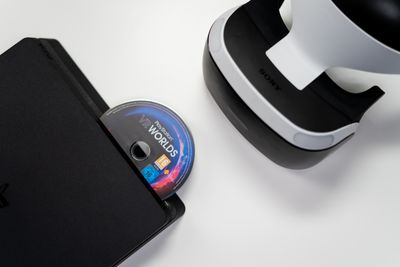
Physical disc production ending in Jan 2028 for new games on PlayStation
This official announcement from the PlayStation Blog details the forthcoming cessation of physical disc production for new game releases on PlayStation…

Plurai
Plurai is an AI development tool designed to ensure the reliability and safety of AI agents. It allows users to define specific behaviors and constraints for…
Enjoyed this? Get five picks like this every morning.
Free daily newsletter — zero spam, unsubscribe anytime.