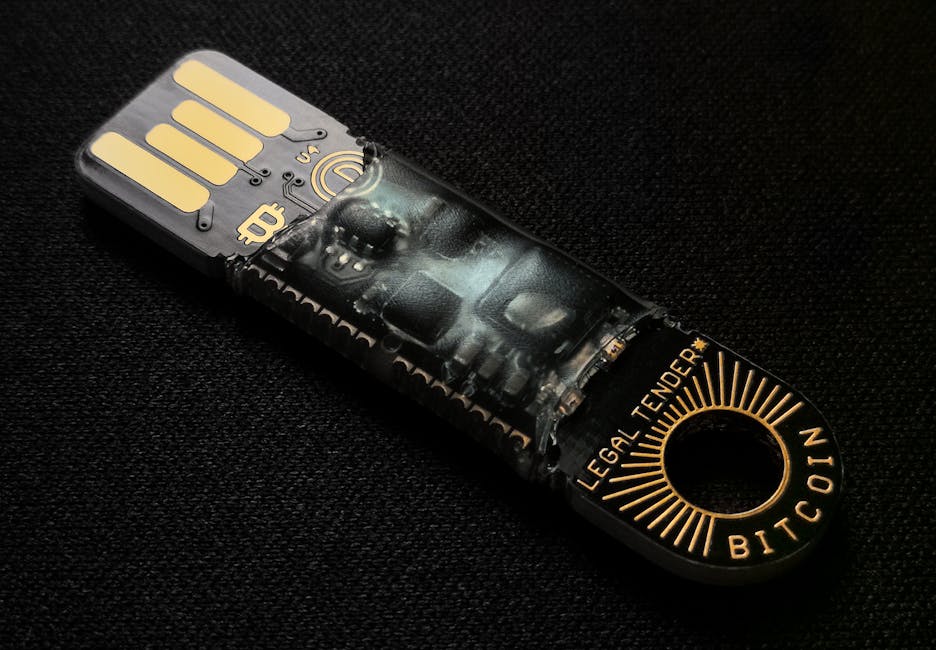
Photo via Pexels
These devices generate true random numbers by harnessing the inherent unpredictability of quantum mechanics, such as photon emission or electron spin states, providing a higher level of security than pseudo-random classical algorithms. Companies like ID Quantique, QuintessenceLabs, and research labs at the National Institute of Standards and Technology (NIST) are key developers. QRNGs are in early commercialization, with miniaturized chip-scale versions becoming available for integration into everyday devices. In 2022, ID Quantique released a USB-stick QRNG and partnered with SK Telecom for smartphone integration, marking a significant step towards mass market adoption. They offer demonstrably superior randomness compared to traditional algorithmic or hardware-based random number generators.
Editorial check
How this page is checked
Source trail
idquantique.com
External links are separated from Surfaced commentary.
Reader safety
Context before clicks
Product links and external services are not presented as guarantees.
Monetization
No affiliate flag
Ads and commerce links are kept distinct from editorial text.
Surfaced take
Why It Matters
Crucial for enhancing cybersecurity, secure communications, and simulations by providing genuinely unpredictable entropy, protecting sensitive data from sophisticated attacks that can exploit patterns in pseudo-random numbers. When mainstream, every smartphone, IoT device, and financial transaction will be underpinned by quantum-secure randomness, making hacking significantly harder and data more robustly protected. Cybersecurity firms and hardware manufacturers integrating QRNGs will win, while systems relying solely on classical randomness will become increasingly vulnerable. Regulatory hurdles for widespread adoption in critical infrastructure and standardization are key barriers, with a realistic timeline of 5-10 years for widespread integration into consumer electronics and enterprise systems. Switzerland, Australia, and China are at the forefront, and a second-order consequence could be the redefinition of trust in digital systems, leading to a new era of verifiable security.
Development Stage
Related
RSA Key Factoring from the 90s
This article details the fascinating technical process by which a modern-day researcher successfully factored the RSA keys of a Certificate Authority from the…

wloc
wloc is a sophisticated tool designed to modify your Apple device's network-based location (gs-loc). It seamlessly integrates with popular proxy tools like…
Enjoyed this? Get five picks like this every morning.
Free daily newsletter — zero spam, unsubscribe anytime.