Photo via Pexels
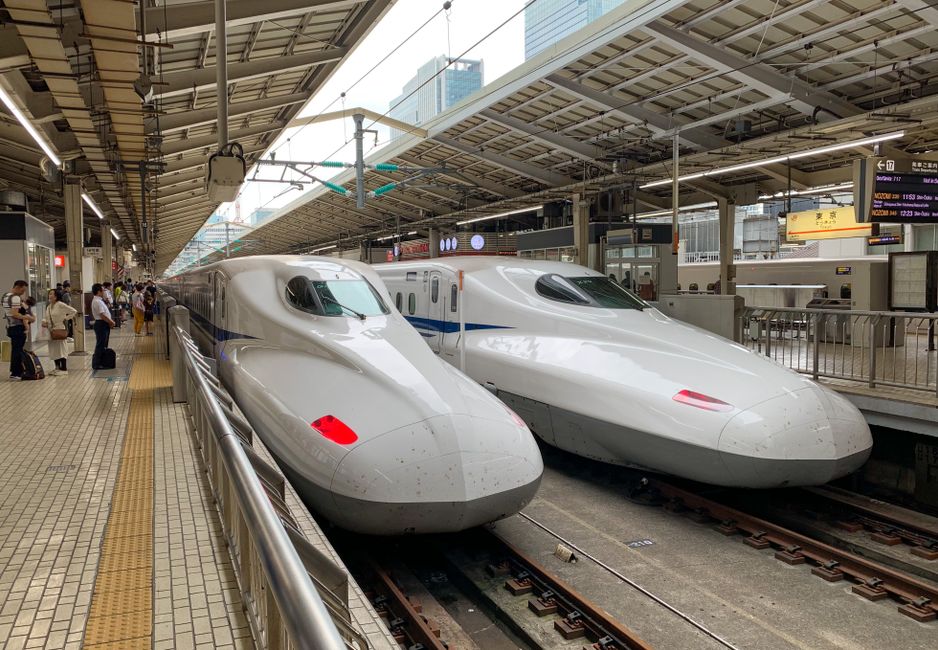
Japan Has a Bullet Train That Was Designed After a Kingfisher
The Shinkansen 500 series had a noise problem when exiting tunnels at high speed. Engineer Eiji Nakatsu, a birdwatcher, redesigned the nose to mimic a kingfisher's beak, eliminating the sonic boom and improving fuel efficiency by 15 percent.
Why It’s Fascinating
This is a landmark case of biomimicry in engineering. By copying how a kingfisher enters water without a splash, Japan solved an acoustic engineering problem that conventional approaches could not crack.
More Like This

The World's First Computer Programmer Was a Woman in 1843
Ada Lovelace wrote the first algorithm intended for machine execution, designed for Charles Babbage's Analytical Engine. She also predicted that computers could go beyond pure calculation to create music and art.

Velcro Was Invented After a Walk in the Woods
Swiss engineer George de Mestral noticed burrs sticking to his dog's fur in 1941. Under a microscope he saw tiny hooks catching on loops of fur, and spent eight years perfecting the synthetic version.

The Great Wall of China Is Held Together with Sticky Rice
Workers in the Ming Dynasty mixed sticky rice soup with slaked lime to create an incredibly strong mortar. The amylopectin in the rice created a compound more durable than pure limestone mortar.

The Patent for the Fire Hydrant Was Lost in a Fire
The original patent for the fire hydrant is widely believed to have been destroyed when the U.S. Patent Office burned down in 1836. The irony has made it one of history's most famous lost inventions.
Enjoyed this? Get five picks like this every morning.
Free daily newsletter — zero spam, unsubscribe anytime.