
Photo via Pexels
This discussion delves into the reasons behind the slow progress in Alzheimer's disease research, exploring the complexities of the disease itself and the research methodologies employed. While not a specific technical breakthrough, it highlights the ongoing need for innovative approaches. Emerging technologies like advanced imaging, genomics, and particularly AI are being increasingly leveraged to analyze vast datasets, identify novel drug targets, and personalize treatment strategies. The goal is to accelerate the understanding of Alzheimer's pathogenesis and develop effective interventions.
Why It Matters
Alzheimer's disease affects millions globally, and a breakthrough would be life-changing. AI's ability to process complex biological data offers a significant advantage in unraveling the disease's intricate mechanisms, which have long eluded conventional research. While significant hurdles remain, including understanding the disease's multifactorial nature and developing drugs that can effectively cross the blood-brain barrier, AI-driven approaches are accelerating the pace. Successful widespread adoption could lead to earlier diagnoses, effective preventative measures, and treatments that significantly improve the quality of life for patients and their families.
Development Stage
More Like This

Autonomous Modular Reconfigurable Spacecraft
These spacecraft consist of interchangeable, self-assembling modules that can autonomously dock and undock in orbit to form new configurations or repair existing ones. This allows for on-demand customization, upgrades, and multi-mission capabilities without costly return missions or ground assembly.

Genetically Engineered Bio-Sentinel Plants
These are plants genetically modified to detect specific environmental contaminants, pollutants, or pathogens by changing color, emitting bioluminescence, or altering growth patterns. They act as living, distributed sensor networks, providing real-time, visual alerts in the environment.

Direct Brain-to-Brain Communication Interfaces
This technology aims to enable direct transfer of thoughts, emotions, and memories between human brains without external sensory input. It would involve advanced neural decoding and encoding techniques, potentially using focused electromagnetic fields or optogenetics to bridge neural activity.

Adaptive Self-Assembling Robotics
This involves robotic systems capable of autonomously reconfiguring and self-assembling into complex structures or tools in dynamic and unpredictable environments. Utilizing decentralized control and swarm intelligence, these robots can adapt to unforeseen challenges and accomplish collaborative tasks.
Explore Related
From Discovery, Product, Hidden Gem, Tool

Ancient Bacteria Revived from Mediterranean Seabed
Researchers from the University of Utrecht, led by Dr. Anke J. van der Zee, successfully revived and cultured bacteria that had been dormant in Mediterranean seabed sediments for over 100 million years. Detailed in *Nature Communications* in October 2023, these extremophiles, surviving extreme pressures and lack of nutrients, represent some of the oldest life forms ever brought back to activity. Their genetic makeup provides a glimpse into early microbial ecosystems, potentially holding secrets to metabolic pathways relevant to biotechnology and understanding life's resilience.

Agentplace AI Agents
Agentplace offers a platform for creating and deploying specialized AI agents designed for specific real-world tasks and workflows. Users can start with pre-built agents for common needs or customize their own within minutes. These agents can handle everything from lead routing and in-depth research to document analysis and appointment scheduling, making them ideal for businesses and professionals looking to automate repetitive and complex processes.

Connected Papers
Connected Papers is a unique visual tool that helps researchers find and explore academic papers. By inputting an initial paper, it generates a graph of interconnected research, revealing citation links and related works.

Scrivener
Scrivener is a comprehensive word-processing and project management tool specifically designed for writers of long-form content such as novels, screenplays, and academic papers. It provides a flexible environment to organize notes, research, and drafts in one integrated platform.
You Might Also Like

Advanced USB Protocol Analysis
Explore →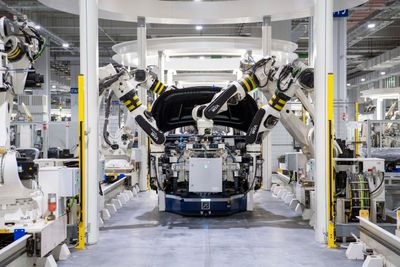
Reshoring of Advanced Manufacturing
Explore →
AI-Assisted Mathematical Discovery
Explore →
Linux for Apple Silicon
Explore →
Agile Project Management Refinements
Explore →
Advanced Conservation Materials
Explore →Advanced USB Protocol Analysis
Explore →Reshoring of Advanced Manufacturing
Explore →AI-Assisted Mathematical Discovery
Explore →Linux for Apple Silicon
Explore →Agile Project Management Refinements
Explore →Advanced Conservation Materials
Explore →Enjoyed this? Get five picks like this every morning.
Free daily newsletter — zero spam, unsubscribe anytime.