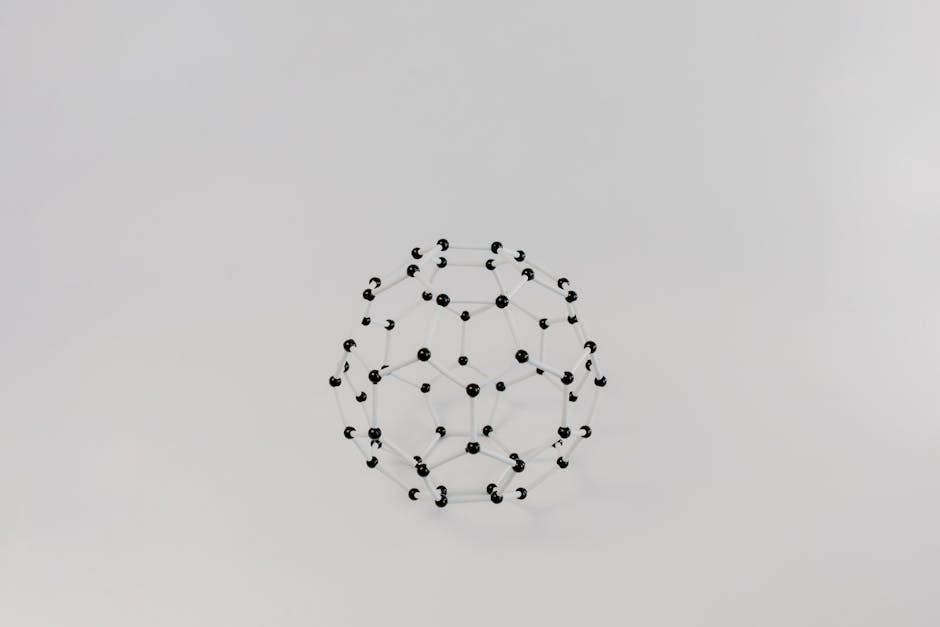
Photo via Pexels
Scientists at Scripps Research have developed a highly efficient chiral catalyst that enables the scalable, asymmetric synthesis of complex bicyclo[1.1.0]butane derivatives. This catalyst facilitates the creation of molecules with precise three-dimensional structures, crucial for developing new drugs with specific biological activities. The team demonstrated that this method allows for the rapid and selective construction of these strained ring systems, which are difficult to synthesize using traditional techniques. This breakthrough provides medicinal chemists with a powerful new tool for designing and producing novel therapeutic agents. The research was published in Science in January 2020.
Editorial check
How this page is checked
Source trail
nature.com
External links are separated from Surfaced commentary.
Reader safety
Context before clicks
Product links and external services are not presented as guarantees.
Monetization
No affiliate flag
Ads and commerce links are kept distinct from editorial text.
Surfaced take
Why It’s Fascinating
The ability to precisely control molecular handedness (chirality) is paramount in drug development, as different enantiomers can have vastly different pharmacological effects, making this catalyst's high selectivity invaluable. This discovery provides a robust and scalable method for accessing a previously challenging class of strained-ring compounds, expanding the chemical space available for drug discovery and potentially leading to more effective and safer medicines. Within the next decade, this catalyst could be routinely employed by pharmaceutical companies, accelerating the development of treatments for various diseases, including cancer and neurological disorders. It's like having a specialized 3D printer for molecules, allowing chemists to create intricate structures with perfect left- or right-handedness. Medicinal chemists, pharmaceutical companies, and patients awaiting new treatments will benefit most. How might this technology accelerate the discovery of entirely new classes of drugs that were previously too complex to synthesize?
Related
Vector Paint
Vector Paint is a free, in-browser vector graphics editor that allows users to create and edit scalable vector graphics (SVGs) without any installation. It…

Huashu Design
Huashu Design is a groundbreaking tool that leverages HTML as its native design language for AI code generation. It enables users to create high-fidelity…
Enjoyed this? Get five picks like this every morning.
Free daily newsletter — zero spam, unsubscribe anytime.