Photo via Pexels
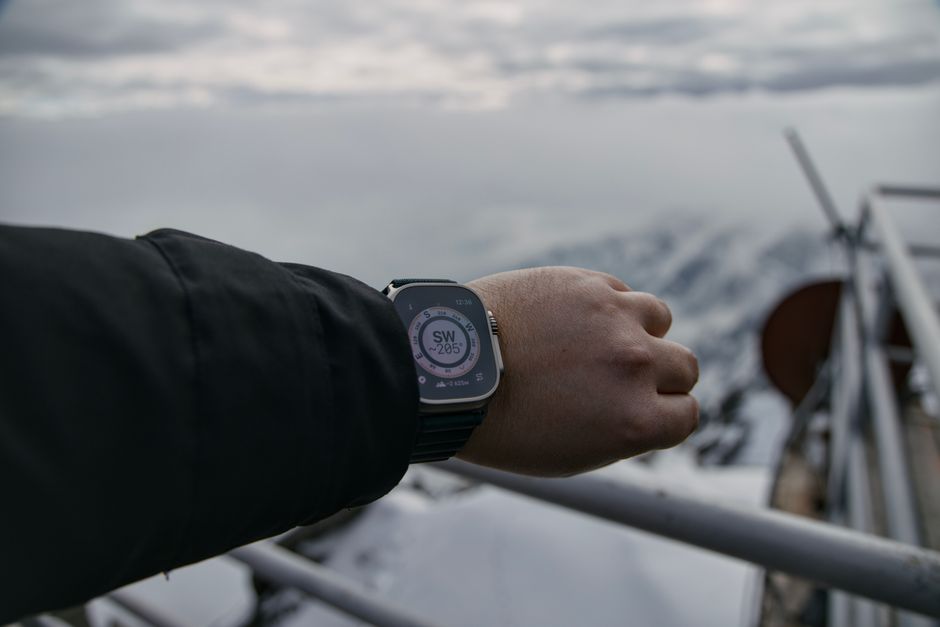
David Smith's retrospective on the six years of developing Maps for Apple WatchOS offers a deep dive into the iterative process of optimizing location-based services for a constrained wearable device. The breakthrough lies in the sophisticated techniques developed to ensure real-time, power-efficient map rendering, navigation cues, and location tracking on the Apple Watch. This involves intricate battery management, efficient data fetching and caching strategies, and a highly responsive user interface tailored for quick glances and interactions.
Editorial check
How this page is checked
Source trail
youtube.com
External links are separated from Surfaced commentary.
Reader safety
Context before clicks
Product links and external services are not presented as guarantees.
Monetization
No affiliate flag
Ads and commerce links are kept distinct from editorial text.
Surfaced take
Why It Matters
The evolution of Maps on Apple WatchOS exemplifies the challenges and triumphs of building powerful applications for ultra-mobile devices. It demonstrates how with sustained effort and intelligent engineering, complex functionalities can be made seamless and unobtrusive. This work directly impacts millions of users by providing essential navigation and location awareness on their wrists, enhancing safety and convenience during activities like running, cycling, or simply moving through a city. The lessons learned in optimizing for battery life and glanceable information are transferable to a host of future wearable technologies. While this is a mature product feature, the continuous refinement represents an ongoing technological advancement in personal computing.
Development Stage
Related

Graphistry
Graphistry is a GPU-accelerated visual graph analytics platform that allows users to interactively visualize and explore massive networks and relationships in…

Guizang PPT Skill
Guizang PPT Skill is an innovative Claude Code Skill, developed to convert straightforward text prompts into elegant, responsive HTML presentations with a…
Enjoyed this? Get five picks like this every morning.
Free daily newsletter — zero spam, unsubscribe anytime.