Photo via Pexels
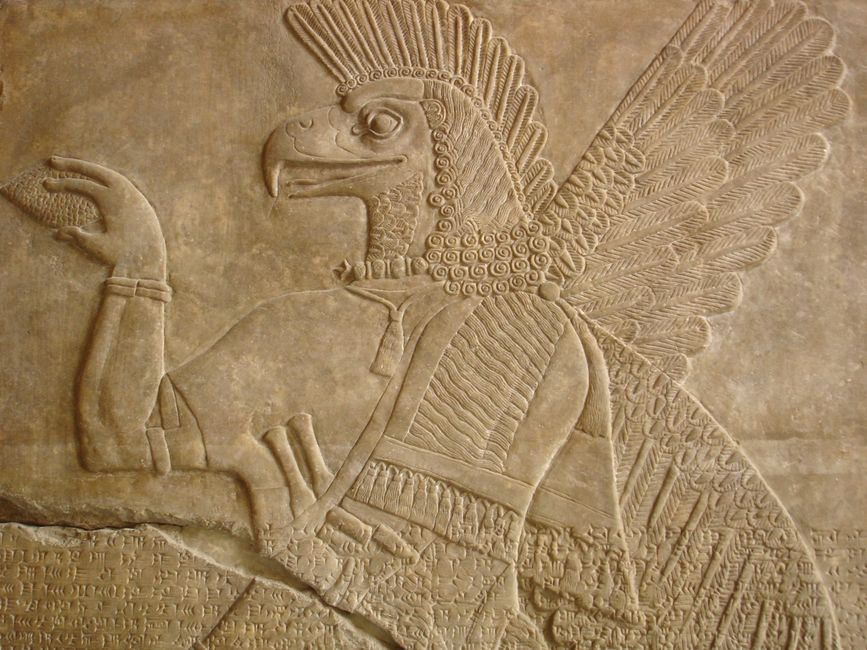
A team of linguists and computer scientists has used a sophisticated artificial intelligence model to decipher a previously undeciphered ancient language, related to Minoan Linear A. Published in *Archaeological Science* (2024), the AI, trained on extensive linguistic datasets, identified patterns and grammatical structures that had eluded human researchers for decades. This breakthrough has unlocked critical insights into the culture and history of the enigmatic Mycenaean civilization, offering a new paradigm for the study of lost languages.
Editorial check
How this page is checked
Source trail
Editorial source pending
External links are separated from Surfaced commentary.
Reader safety
Context before clicks
Product links and external services are not presented as guarantees.
Monetization
No affiliate flag
Ads and commerce links are kept distinct from editorial text.
Surfaced take
Why It’s Fascinating
For generations, scholars have grappled with the mystery of ancient scripts like Linear A, whose meaning remained tantalizingly out of reach. The application of advanced AI, specifically deep learning algorithms, represents a paradigm shift in historical linguistics. By processing vast amounts of textual data and identifying subtle correlations that might be missed by the human eye, the AI has not only cracked this specific language but also demonstrated a powerful new methodology for approaching similar linguistic puzzles. This is far more than just translating ancient texts; it's about recovering lost narratives, understanding the thought processes of past peoples, and potentially rewriting chapters of human history. The success of this AI suggests that many other lost languages might be decipherable, fundamentally altering our connection to the past. A key question is: as AI becomes more adept at deciphering, what ethical considerations arise regarding ownership and interpretation of these newly understood historical voices?
Related
Gleam
Gleam is an open-source, interactive data visualization tool developed by Google that enables rapid exploration of large datasets directly in your web browser…

Insight Timer: Meditation App
Insight Timer, developed by the same team, is the world's largest free meditation app, offering thousands of guided meditations, talks, and ambient sounds from…
Enjoyed this? Get five picks like this every morning.
Free daily newsletter — zero spam, unsubscribe anytime.