Photo via Pexels
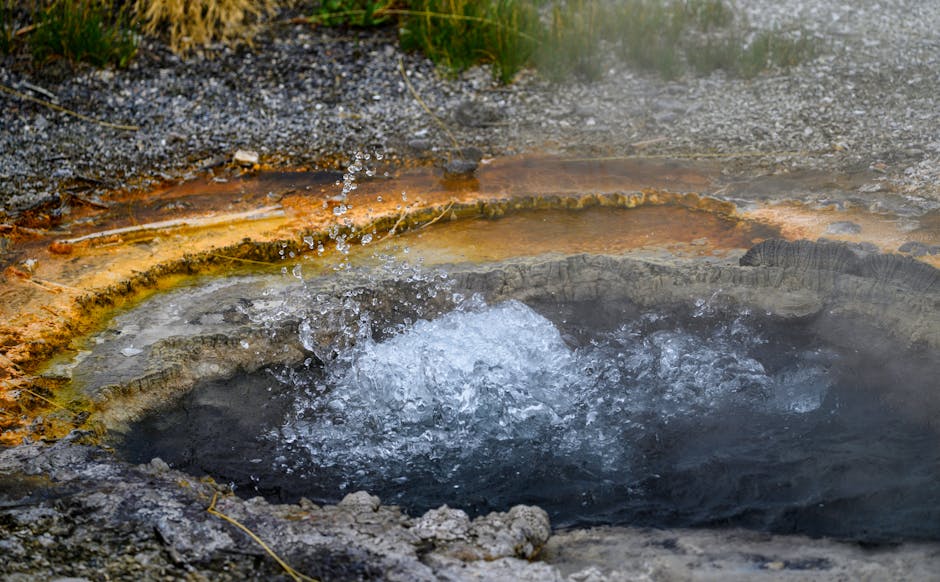
An international expedition using the submersible *Alvin* off the coast of Papua New Guinea has discovered an array of entirely new species thriving around deep-sea hydrothermal vents. Researchers, including lead biologist Dr. Verena Schoepf from the Scripps Institution of Oceanography, published their findings in *Frontiers in Marine Science* in April 2024. These organisms, including gelatinous zooids and unique chemosynthetic bacteria, have adapted to extreme conditions of heat, pressure, and darkness, hinting at vast unexplored biodiversity in Earth's oceans.
Editorial check
How this page is checked
Source trail
Editorial source pending
External links are separated from Surfaced commentary.
Reader safety
Context before clicks
Product links and external services are not presented as guarantees.
Monetization
No affiliate flag
Ads and commerce links are kept distinct from editorial text.
Surfaced take
Why It’s Fascinating
The discovery of entirely new phyla or even classes of organisms is a rare and significant event in modern biology, underscoring how much of our planet remains a frontier. The life found around these hydrothermal vents exists in an environment that would be utterly hostile to surface-dwelling life, relying on chemical energy (chemosynthesis) rather than sunlight. Studying these unique adaptations—such as their ability to withstand toxic chemicals and extreme temperatures—can provide insights into the origins of life on Earth and the potential for life elsewhere in the solar system, particularly on icy moons like Europa. This ongoing exploration of the deep sea continuously rewrites our understanding of biodiversity and the extreme limits of life. What other bizarre and wonderful life forms are waiting in the abyssal plains and volcanic depths?
Related

Mastodon
Mastodon is a free, open-source, decentralized social networking platform that operates on a network of independent servers, known as instances. Users can join…

GitLost: We Tricked GitHub's AI Agent into Leaking Private Repos
GitLost is a security research project that demonstrated a vulnerability in GitHub's AI agent, exposing how it could be tricked into revealing information from…
Enjoyed this? Get five picks like this every morning.
Free daily newsletter — zero spam, unsubscribe anytime.