Photo via Pexels
Trees Can Communicate and Share Nutrients Underground
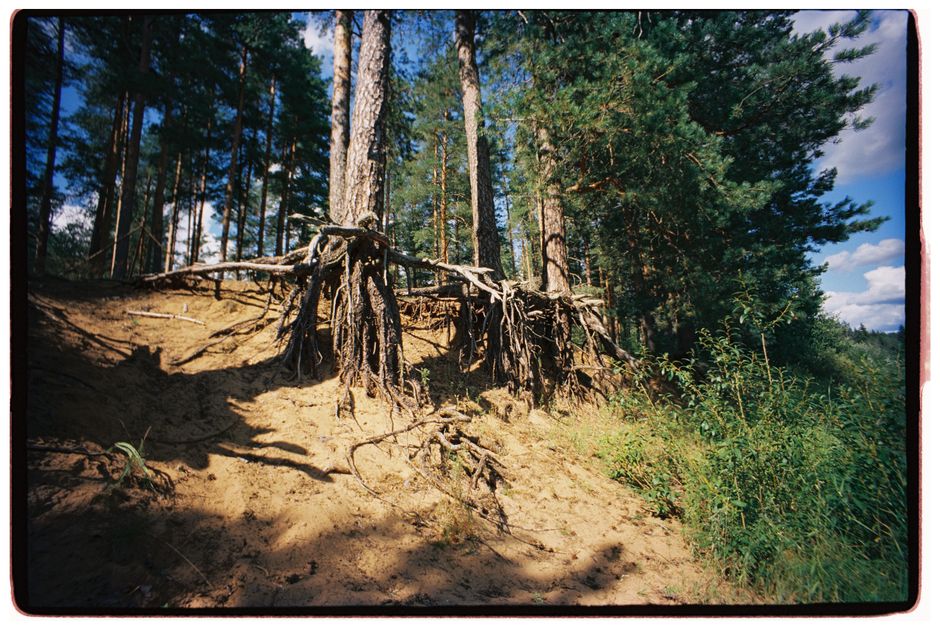
Trees in a forest are connected through vast underground fungal networks called mycorrhizal networks, often called the 'Wood Wide Web.' Through these networks, trees share carbon, water, and nutrients, and even send chemical warning signals about insect attacks.
Why It’s Fascinating
It overturns the view of forests as collections of competing individuals. Mother trees actively nurture their seedlings through these networks, and dying trees dump their resources into the network for others. Forests are cooperative communities, not battlefields.
More Like This

There Is a Jellyfish That Is Biologically Immortal
Turritopsis dohrnii, the 'immortal jellyfish,' can revert its cells back to their youngest form when sick or old through a process called transdifferentiation. It essentially restarts its life cycle, making it biologically immortal.

Crows Can Recognize Human Faces and Hold Grudges
Researchers at the University of Washington found that crows remember human faces for years and teach other crows to mob people who threatened them. The grudge spreads through generations of crows that never met the original offender.

The Amazon Rainforest Generates About 6 Percent of the World's Oxygen
While often cited as producing 20 percent of Earth's oxygen, the Amazon actually produces closer to 6 percent — but consumes nearly all of it through respiration and decomposition. Ocean phytoplankton produce over 50 percent of the world's oxygen.

A Single Teaspoon of Soil Contains More Organisms Than People on Earth
One teaspoon of healthy soil holds between 100 million and 1 billion bacteria, plus thousands of species of fungi, protozoa, and nematodes. This microscopic ecosystem is essential for plant growth and carbon cycling.
Enjoyed this? Get five picks like this every morning.
Free daily newsletter — zero spam, unsubscribe anytime.