Photo via Pexels
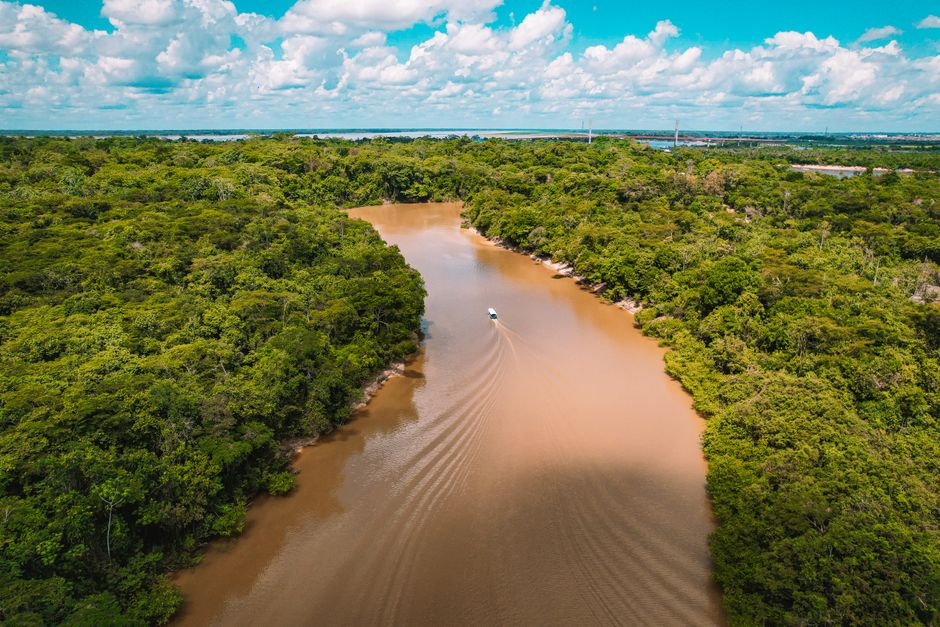
Contrary to popular belief, the Amazon Rainforest contributes approximately 6% of the Earth's atmospheric oxygen, not the often-cited 20%. While producing a significant amount of oxygen through photosynthesis, the vast ecosystem also consumes nearly all of it through the respiration of its plants, animals, and microbes, as well as the decomposition of organic matter. For comparison, ocean phytoplankton are responsible for over 50% of global net oxygen production. This understanding comes from detailed biogeochemical modeling and extensive field studies measuring gas exchange within the rainforest ecosystem. The Amazon's primary global ecological value lies not in net oxygen production, but in its immense capacity for carbon storage and unparalleled biodiversity.
Editorial check
How this page is checked
Source trail
theatlantic.com
External links are separated from Surfaced commentary.
Reader safety
Context before clicks
Product links and external services are not presented as guarantees.
Monetization
No affiliate flag
Ads and commerce links are kept distinct from editorial text.
Surfaced take
Why It’s Fascinating
Experts were not surprised by the actual oxygen figures, but rather by the persistence of the '20% oxygen' myth, which often overshadows the Amazon's true, more critical ecological roles. It overturns the widespread misconception that the Amazon acts as the 'lungs of the Earth' primarily through net oxygen contribution, shifting focus to its role as a critical carbon sink. This correction is vital for shaping effective conservation strategies within 5-10 years, moving away from an oxygen-centric narrative to emphasize the Amazon's crucial role in global climate regulation, biodiversity preservation, and regional rainfall patterns. Thinking the Amazon's main role is oxygen production is like saying a bank's main function is to print money, when its real value is in safeguarding vast reserves and facilitating economic stability. Policy makers, environmental organizations, and climate scientists benefit most from this accurate understanding, allowing for more targeted and impactful conservation efforts. If the Amazon's primary value is carbon sequestration and biodiversity, what are the most effective economic and social incentives to ensure its long-term protection against deforestation?
Related

Songwhip
Songwhip is a powerful tool that generates a single, universal link for any song, album, or artist that works across all major music streaming platforms…

Anthropic's 'watermark' text adulteration in Claude is a perversion of writing
This article from Daring Fireball critically examines Anthropic's decision to embed imperceptible watermarks in the text generated by their Claude AI models…
Enjoyed this? Get five picks like this every morning.
Free daily newsletter — zero spam, unsubscribe anytime.