Photo via Pexels
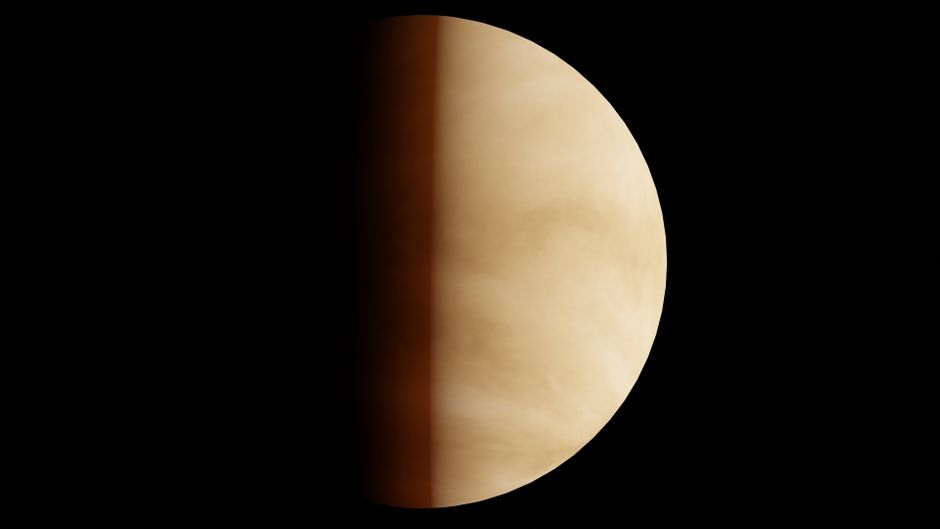
Initial reports in 2020 by Clara Sousa-Silva, Janusz Petkowski, and colleagues suggested the detection of phosphine gas in the atmosphere of Venus, a potential biosignature. However, subsequent, more rigorous analyses published in multiple journals, including Nature Astronomy in 2021, have cast doubt on this finding. Improved data processing and alternative interpretations of the spectral signals suggest the initial detection may have been an artifact or a result of misinterpretation of sulfur dioxide. The scientific community remains divided on the certainty of life on Venus based on this evidence.
Editorial check
How this page is checked
Source trail
nature.com
External links are separated from Surfaced commentary.
Reader safety
Context before clicks
Product links and external services are not presented as guarantees.
Monetization
No affiliate flag
Ads and commerce links are kept distinct from editorial text.
Surfaced take
Why It’s Fascinating
The initial announcement of phosphine on Venus ignited global excitement about the possibility of extraterrestrial life within our own solar system. Phosphine is a highly reactive gas, and its presence in significant quantities on Venus, if confirmed, would be difficult to explain through known geological or chemical processes, strongly implying a biological origin. The subsequent re-evaluation, however, highlights the rigorous self-correction inherent in the scientific process. While the definitive detection of life on Venus remains elusive, the intensive scrutiny of this signal has pushed the boundaries of astrobiological detection techniques and our understanding of Venus's complex atmospheric chemistry. It underscores the importance of robust data analysis and the ongoing quest to understand if life exists beyond Earth.
Related

GenCAD
GenCAD is an open-source framework for generative design, enabling users to create complex CAD models through programmatic means. Built by GenCAD contributors…

Arc Browser
Arc Browser is a reimagined web browser built for a more organized and efficient online experience. It features a unique sidebar interface that keeps your…
Enjoyed this? Get five picks like this every morning.
Free daily newsletter — zero spam, unsubscribe anytime.