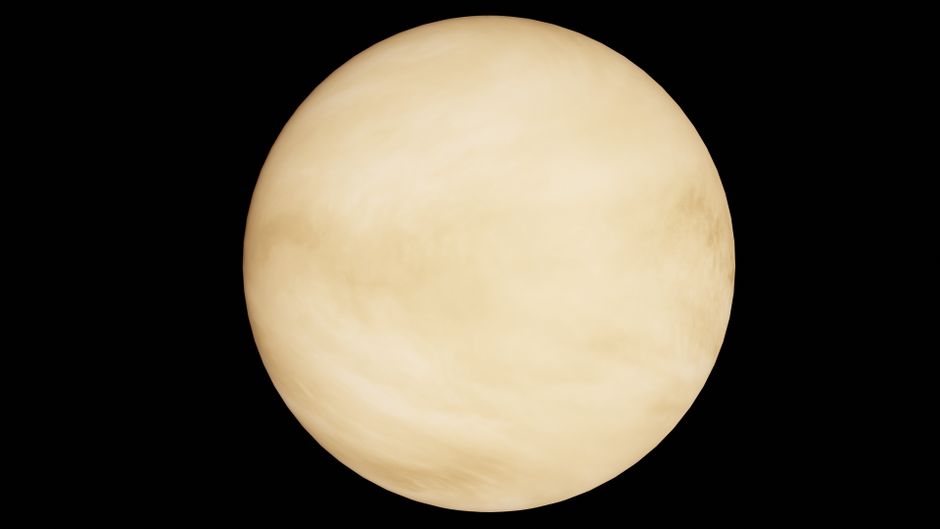
Photo via Pexels
Following the initial excitement surrounding the 2020 detection of phosphine (PH₃) in Venus's atmosphere, the scientific community, including the original researchers, has undertaken extensive re-evaluation and scrutiny. Subsequent analyses, using different telescopes and re-processing the original data, have cast doubt on the initial 20 ppb concentration, with some studies suggesting the signal was either much weaker, non-existent, or due to atmospheric artifacts. Teams around the world re-examined data from ALMA and JCMT, conducted independent observations with other instruments, and performed rigorous re-analysis of atmospheric models and potential false positives, including sulfur dioxide interference. This ongoing re-evaluation underscores the immense difficulty and scientific rigor required to confirm potential biosignatures, highlighting how challenging it is to definitively distinguish between biological and non-biological phenomena in extraterrestrial environments. Several re-analyses and counter-arguments were published in Nature Astronomy and other journals throughout 2020-2022.
Editorial check
How this page is checked
Source trail
nature.com
External links are separated from Surfaced commentary.
Reader safety
Context before clicks
Product links and external services are not presented as guarantees.
Monetization
No affiliate flag
Ads and commerce links are kept distinct from editorial text.
Surfaced take
Why It’s Fascinating
While initially surprised by the phosphine, experts became cautious due to the extreme conditions on Venus and the difficulty of confirming such a faint signal, leading to intense scrutiny and debate. It doesn't overturn prior understanding but reinforces the scientific principle that extraordinary claims require extraordinary evidence, emphasizing the iterative and self-correcting nature of the scientific process. This rigorous re-evaluation is directly shaping the design and objectives of future Venus missions, ensuring that upcoming probes are equipped with instruments capable of unequivocally detecting or ruling out biosignatures within the next 5-10 years. Imagine finding a blurry photo of what looks like a rare animal, but then realizing it might just be a trick of light or a common animal obscured by foliage – it requires much clearer evidence to confirm the sighting. Astrobiologists, atmospheric chemists, and planetary scientists benefit from the refined methodologies and increased skepticism, leading to more robust scientific conclusions in the search for life. This raises the thought-provoking question: how do we balance the immense excitement of potential life discoveries with the necessary scientific rigor to avoid false positives, especially when the stakes are so incredibly high for humanity? The re-evaluation phase contrasts sharply with the initial announcement, moving from a moment of potential groundbreaking discovery to a period of intense, skeptical scientific debate, illustrating the checks and balances inherent in science.
Related

Chat Control 1.0 and 2.0 Explained
This website provides a clear and comprehensive explanation of the European Union's controversial 'Chat Control' proposals (currently referred to as CSA…

SciSpace
SciSpace is an AI-powered platform designed to help researchers, students, and academics navigate and understand scientific literature more efficiently. It can…
Enjoyed this? Get five picks like this every morning.
Free daily newsletter — zero spam, unsubscribe anytime.