Photo via Pexels
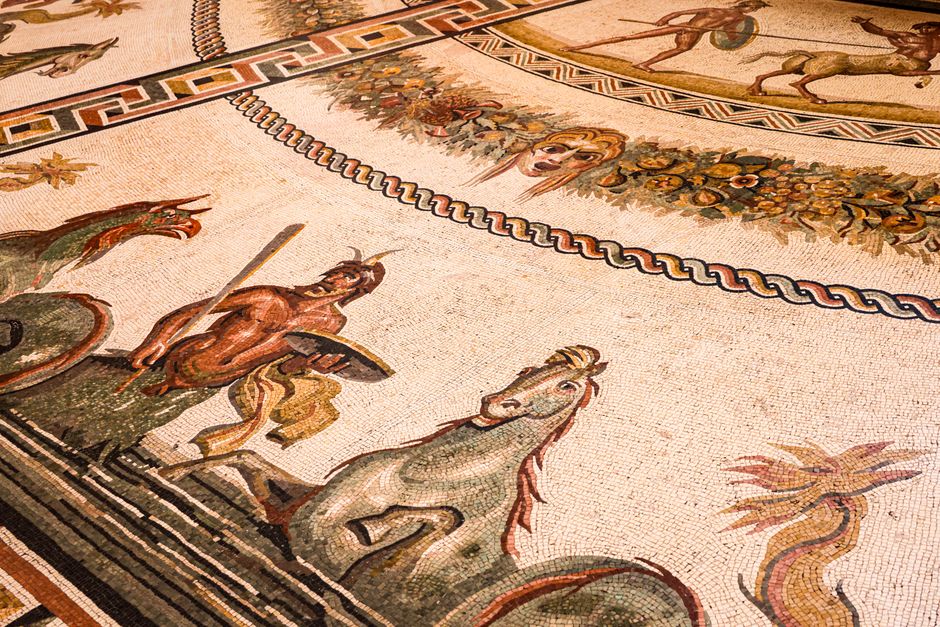
A comprehensive analysis of ancient Roman glass artifacts and raw materials has unveiled sophisticated techniques and supply chain complexities previously underestimated. Researchers, publishing in *PLOS ONE* in 2023, examined the chemical composition of glass from various Roman sites, including mosaics and vessels, and traced its origins. They discovered that Roman glassmakers utilized a diverse range of silica sources and fluxing agents, demonstrating a nuanced understanding of material properties. This study challenges the notion of a single, uniform Roman glassmaking tradition and highlights a far more intricate network of production and trade than commonly acknowledged.
Editorial check
How this page is checked
Source trail
journals.plos.org
External links are separated from Surfaced commentary.
Reader safety
Context before clicks
Product links and external services are not presented as guarantees.
Monetization
No affiliate flag
Ads and commerce links are kept distinct from editorial text.
Surfaced take
Why It’s Fascinating
The sheer volume and variety of glass objects surviving from the Roman Empire are testament to its technological prowess. This new research goes beyond simply cataloging artifacts; it delves into the 'how' and 'where' of their creation. By meticulously analyzing the elemental fingerprints of glass samples, scientists, such as those from the University of Oxford, have been able to differentiate between various production centers and identify the specific raw materials used. The findings reveal that Romans were not just skilled craftspeople but also astute resource managers and traders, sourcing materials from across their vast empire. The complexity of their supply chains, involving different types of sand (quartz) and alkalis (like natron or plant ashes) depending on regional availability and desired glass properties, paints a picture of a remarkably organized and adaptable industry. This shifts our perception from a few centralized workshops to a more distributed and dynamic system, raising questions about the economic and social structures that supported such widespread artisanal production.
Related

A couple million lines of Haskell: Production engineering at Mercury
This article, 'A couple million lines of Haskell: Production engineering at Mercury,' details the sophisticated engineering practices at Mercury, a financial…

Streamlaide
Streamlaide is an AI-powered platform designed to simplify video creation for content creators. It allows users to generate videos from text or existing…
Enjoyed this? Get five picks like this every morning.
Free daily newsletter — zero spam, unsubscribe anytime.