Photo via Pexels
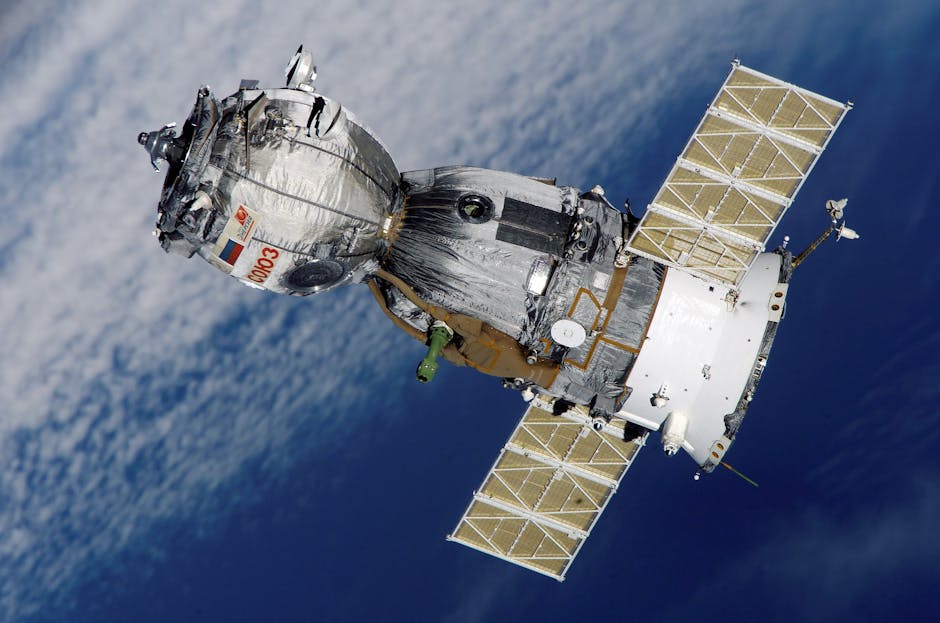
A Chinese city plans to launch an 'artificial moon' into orbit by 2020, designed to reflect sunlight and illuminate the night sky over Chengdu. This ambitious project, led by the Harbin Institute of Technology, aims to supplement the city's streetlights, potentially saving vast amounts of electricity. The satellite would carry mirrors adjustable to illuminate areas within a 10 to 50-kilometer radius.
Editorial check
How this page is checked
Source trail
livescience.com
External links are separated from Surfaced commentary.
Reader safety
Context before clicks
Product links and external services are not presented as guarantees.
Monetization
No affiliate flag
Ads and commerce links are kept distinct from editorial text.
Surfaced take
Why It’s Fascinating
The concept of using orbital mirrors to illuminate the Earth's surface isn't new, but the scale and specificity of the Chengdu project are remarkable. While the initial 2020 launch date has passed without widespread public confirmation of the satellite's deployment, the underlying research continues. If realized, this technology could drastically alter urban nighttime environments, offering a potentially sustainable alternative to traditional electric lighting. However, significant questions remain regarding light pollution, ecological impacts on nocturnal wildlife, and the precise control needed to avoid unintended consequences. Could this technology eventually be used for disaster relief, providing temporary illumination to affected areas, or does it pose a new form of environmental disruption?
Related

Fontjoy
Fontjoy leverages artificial intelligence to help users find perfect font pairings for their design projects. It analyzes thousands of fonts and uses machine…

Figma
Figma is a cloud-based design tool primarily used for user interface (UI) and user experience (UX) design, but it's also versatile enough for wireframing…
Enjoyed this? Get five picks like this every morning.
Free daily newsletter — zero spam, unsubscribe anytime.