Photo via Pexels
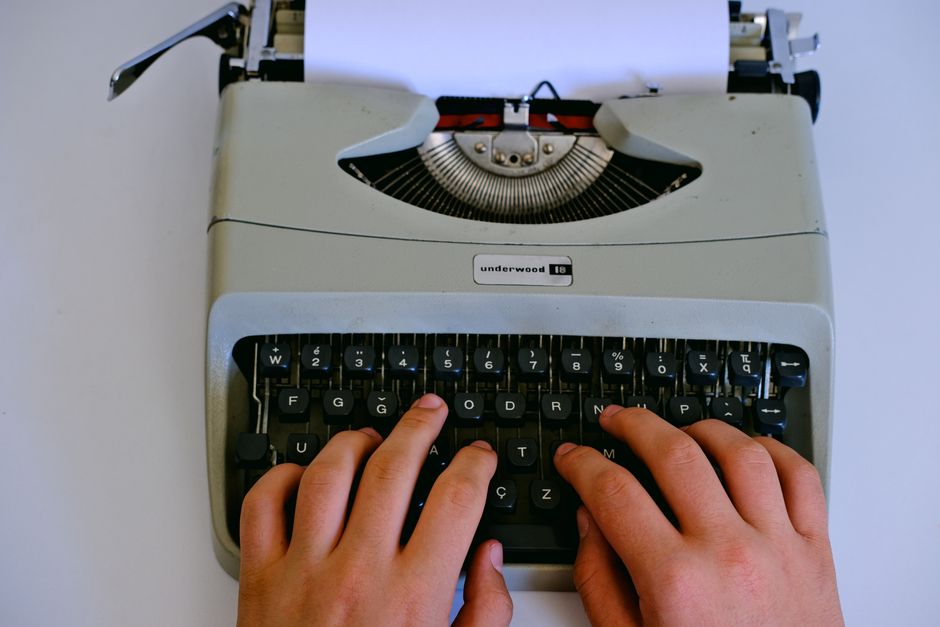
A college instructor has turned to using typewriters as an unconventional method to mitigate the use of AI-generated text in student assignments. This approach forces students to produce work manually, making it significantly more challenging to pass off AI-generated content as their own. Beyond simply preventing plagiarism, the instructor aims to foster critical thinking and deeper engagement with the material, emphasizing the process of learning over the final output.
Editorial check
How this page is checked
Source trail
theverge.com
External links are separated from Surfaced commentary.
Reader safety
Context before clicks
Product links and external services are not presented as guarantees.
Monetization
No affiliate flag
Ads and commerce links are kept distinct from editorial text.
Surfaced take
Why It Matters
The rise of sophisticated AI writing tools presents a significant challenge to traditional educational assessment methods, forcing a re-evaluation of how learning is measured. This typewriter initiative, while seemingly retro, highlights a broader trend towards developing more robust and AI-resistant assessment strategies. It underscores the need for educational institutions to adapt by focusing on higher-order thinking skills, in-person evaluations, and unique, process-oriented assignments that are difficult for AI to replicate. The timeline for mainstream adoption of such methods will likely be gradual, involving pilot programs and curriculum redesigns within educational systems. Key obstacles include the potential for resistance from students accustomed to digital workflows and the logistical challenges of implementing non-digital assessments on a large scale. Ultimately, this move signals a potential future where education emphasizes human creativity, critical thinking, and a deeper, more tangible connection to the learning process.
Development Stage
Related

Linguascope
Linguascope is a subscription-based online platform offering a vast library of interactive games and activities designed to make learning new languages fun and…

Ti-84 Evo
The TI-84 Evo is an advanced graphing calculator designed for high school and college students, offering a modern and enhanced user experience compared to its…
Enjoyed this? Get five picks like this every morning.
Free daily newsletter — zero spam, unsubscribe anytime.