Photo via Pexels
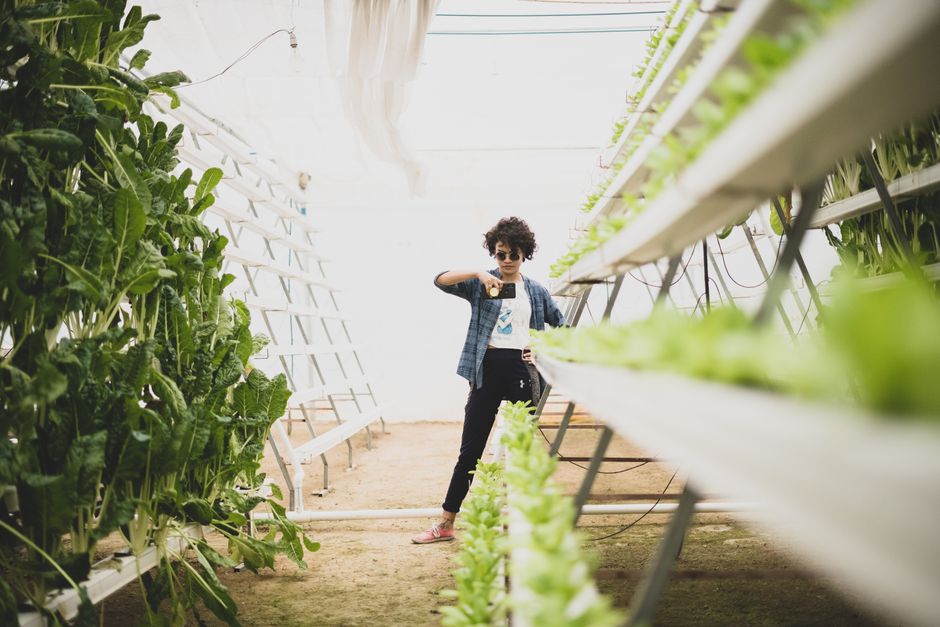
Advanced agricultural robots, often autonomous ground vehicles (AGVs) or drones, integrate AI, computer vision, GPS, and various sensors (e.g., spectral, thermal) to perform highly precise tasks at the individual plant level. They operate by collecting granular data on plant health, soil conditions, and pest infestations, then applying targeted interventions like micro-spraying or selective harvesting. Companies like John Deere (See & Spray), Blue River Technology (acquired by John Deere), FarmWise, Iron Ox, and numerous university research groups are leading development. Many applications, such as autonomous weeding and crop scouting, are in pilot programs and early commercial deployment, particularly in large-scale farms in North America and Europe. John Deere's 'See & Spray Ultimate' system, commercially available since 2022, uses computer vision and AI to differentiate weeds from crops and spray herbicide only where needed, reducing herbicide use by over two-thirds in some trials. These robots aim to replace or augment manual labor for tasks like weeding, harvesting, and scouting, as well as traditional broadcast spraying methods, leading to more precise and sustainable farming.
Editorial check
How this page is checked
Source trail
Editorial source pending
External links are separated from Surfaced commentary.
Reader safety
Context before clicks
Product links and external services are not presented as guarantees.
Monetization
No affiliate flag
Ads and commerce links are kept distinct from editorial text.
Surfaced take
Why It Matters
The global population is expected to reach 9.7 billion by 2050, demanding a 70% increase in food production. Precision agriculture robots can reduce water use by up to 90%, fertilizer use by 50%, and pesticide use by 70%, while increasing yields by 10-20% and addressing acute labor shortages in agriculture. Food production becomes more resilient to climate change and labor fluctuations, leading to more stable food prices and higher quality produce. Consumers may see more sustainably grown, locally sourced options as smaller, high-tech farms become viable. Agri-tech companies, large-scale farming operations, and specialized robotics manufacturers stand to win, while agricultural laborers performing repetitive tasks might need to retrain for supervisory roles. High initial capital costs for equipment, lack of robust rural internet infrastructure, and the complexity of integrating diverse robotic systems are significant hurdles. Widespread adoption for specific tasks like weeding and spraying is expected within 5-10 years, with fully autonomous, multi-tasking farm systems likely 10-20 years away. The US, Netherlands, Israel, and Japan are leading in agricultural robotics innovation, with major equipment manufacturers and tech startups fiercely competing. The highly granular data collected by these robots on individual plants could lead to a revolution in plant breeding, allowing for the rapid identification and selection of optimal genetic traits for specific microclimates and soil conditions, accelerating crop improvement beyond traditional methods.
Development Stage
Related

Nutritional Facts Label Analyzer
This app empowers users to quickly understand the nutritional content of packaged foods by simply scanning the ingredient and nutrition facts labels with their…

The bottleneck might be the air in the room
This article delves into the often-overlooked impact of indoor air quality, specifically carbon dioxide (CO2) levels, on human cognitive function and…
Enjoyed this? Get five picks like this every morning.
Free daily newsletter — zero spam, unsubscribe anytime.