Photo via Pexels
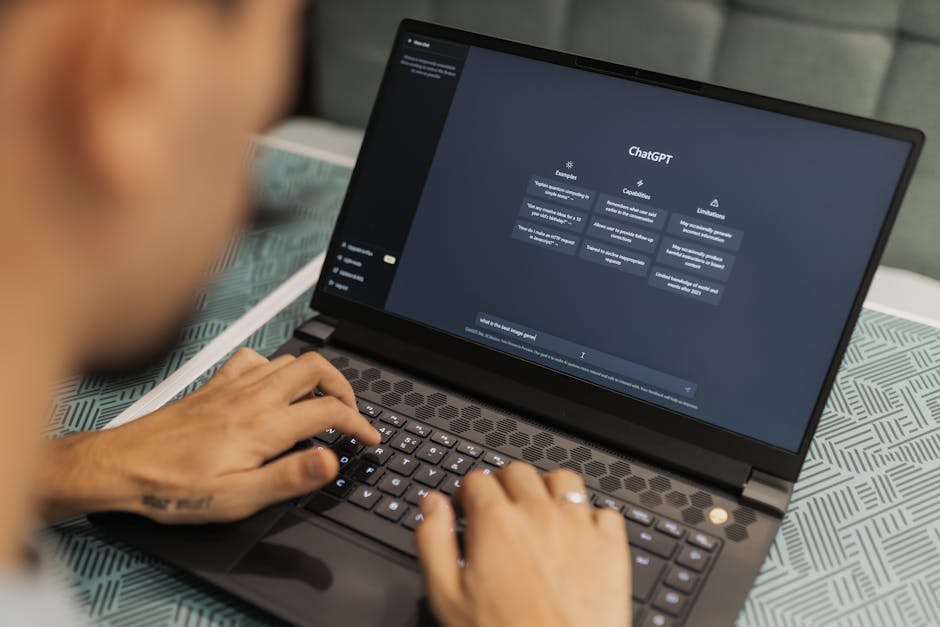
Open Access to Advanced AI Models via CLI refers to the renewed capability for developers and researchers to interact with advanced large language models (LLMs) like Anthropic's Claude directly through Command Line Interface (CLI) tools, often facilitated by open-source interfaces like OpenClaw. This mechanism allows programmatic access via simple text commands, enabling seamless integration into scripts, custom applications, and automated workflows without needing graphical user interfaces or complex API wrappers. Anthropic is the primary model developer, while OpenAI also offers CLI access to its models. This is a production-ready feature, with stable APIs and tools available. Anthropic's re-permissioning in late 2023/early 2024, allowing direct CLI access for models like Claude 2.1 or Opus, was a key milestone, significantly expanding developer freedom. It replaces the need for developers to build custom GUI applications or rely on web-based interfaces for every AI interaction, streamlining the development process.
Editorial check
How this page is checked
Source trail
anthropic.com
External links are separated from Surfaced commentary.
Reader safety
Context before clicks
Product links and external services are not presented as guarantees.
Monetization
No affiliate flag
Ads and commerce links are kept distinct from editorial text.
Surfaced take
Why It Matters
Many developers and researchers face significant friction integrating powerful AI into their existing tooling and workflows, often requiring complex setup. CLI access slashes integration time by an estimated 50-70%, potentially unlocking billions of dollars in productivity gains across software development, data analysis, and scientific research. When mainstream, professionals across fields will use highly specialized AI agents embedded directly into their operating systems or development environments, automating code generation, data cleaning, report summarization, or even complex system administration tasks with simple commands. AI model providers like Anthropic and OpenAI win by expanding their user base and fostering innovation, while companies relying solely on proprietary, closed-source AI tools with limited programmatic access might lose market share. The main barriers include ensuring responsible use and preventing misuse (e.g., generating malicious code or misinformation at scale), alongside managing API rate limits and ensuring data security. The impact is immediate, with widespread adoption of specialized AI agents built on these interfaces expected within the next 1-2 years, led by US-based AI labs. A less considered consequence is the potential for a new wave of 'AI-native' command-line tools and operating system extensions, fundamentally reshaping how we interact with computers at a foundational level.
Development Stage
Related

Shoehorn
Shoehorn is an innovative tool engineered to perform model quantization, a crucial process for optimizing large artificial intelligence models. By reducing the…
ds4
ds4 (DeepSeek 4 Flash) is a highly optimized local inference engine designed specifically for Apple Silicon Macs with Metal GPU support. It allows users to run…
Enjoyed this? Get five picks like this every morning.
Free daily newsletter — zero spam, unsubscribe anytime.