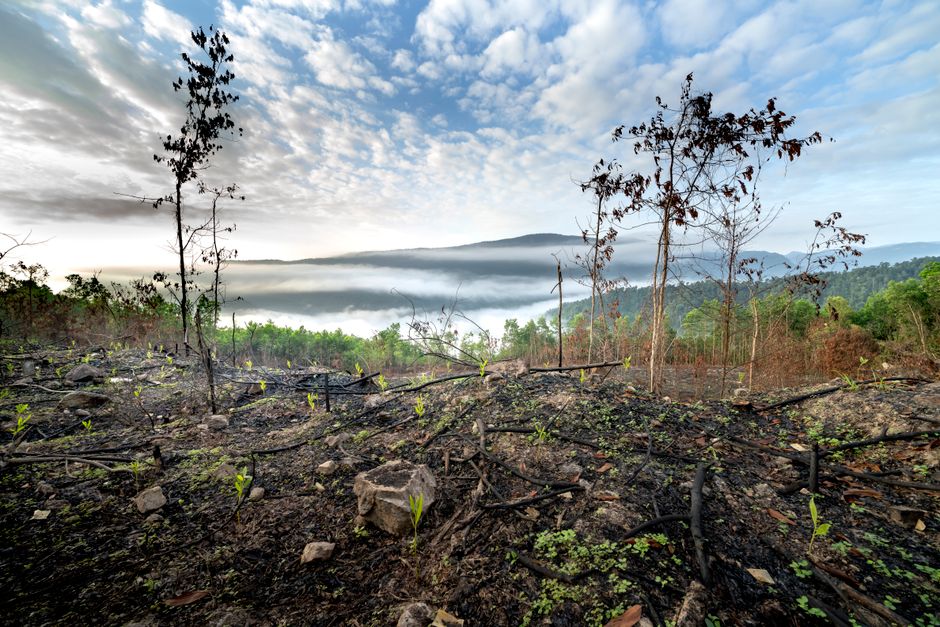
Photo via Pexels
Biochar is a highly porous, stable form of charcoal produced by heating biomass (such as agricultural waste or wood chips) in a low-oxygen environment through a process called pyrolysis. When incorporated into degraded soil, its unique structure significantly enhances water retention, improves nutrient availability by reducing leaching, and fosters beneficial microbial communities. Key organizations include the International Biochar Initiative (IBI), university research groups like Cornell, and companies such as Carbon Capture. This technology is in niche commercial production with extensive research and pilot projects ongoing. Numerous studies demonstrate biochar's ability to increase crop yields by 10-30% in degraded soils, while sequesters carbon for centuries, offering a superior method for soil amendment and carbon removal compared to traditional waste management.
Editorial check
How this page is checked
Source trail
Editorial source pending
External links are separated from Surfaced commentary.
Reader safety
Context before clicks
Product links and external services are not presented as guarantees.
Monetization
No affiliate flag
Ads and commerce links are kept distinct from editorial text.
Surfaced take
Why It Matters
Over a third of the world's soil is degraded, leading to desertification, reduced crop yields, and increased CO2 emissions. Biochar offers a dual solution, capable of sequestering 0.5 to 1.5 billion tonnes of CO2 equivalent annually by 2050, while simultaneously improving soil fertility by increasing water retention by up to 50% and boosting nutrient availability. When mainstream, this means healthier, more productive farmlands, reduced need for irrigation and chemical fertilizers, and a more resilient global food system. Farmers, biochar producers, and carbon credit markets stand to gain significantly. Barriers include the cost of production and transport, lack of standardized quality control, scaling pyrolysis technology, and educating farmers on optimal application. Niche adoption is occurring now, with significant scaling and mainstream integration anticipated in 5-15 years. Europe and North America are heavily investing in this space. A second-order consequence is the transformation of agricultural waste from a pollution source into a valuable resource, potentially creating new rural economies around biomass processing and biochar production, while incentivizing sustainable land management practices globally.
Development Stage
Enjoyed this? Get five picks like this every morning.
Free daily newsletter — zero spam, unsubscribe anytime.