Photo via Pexels
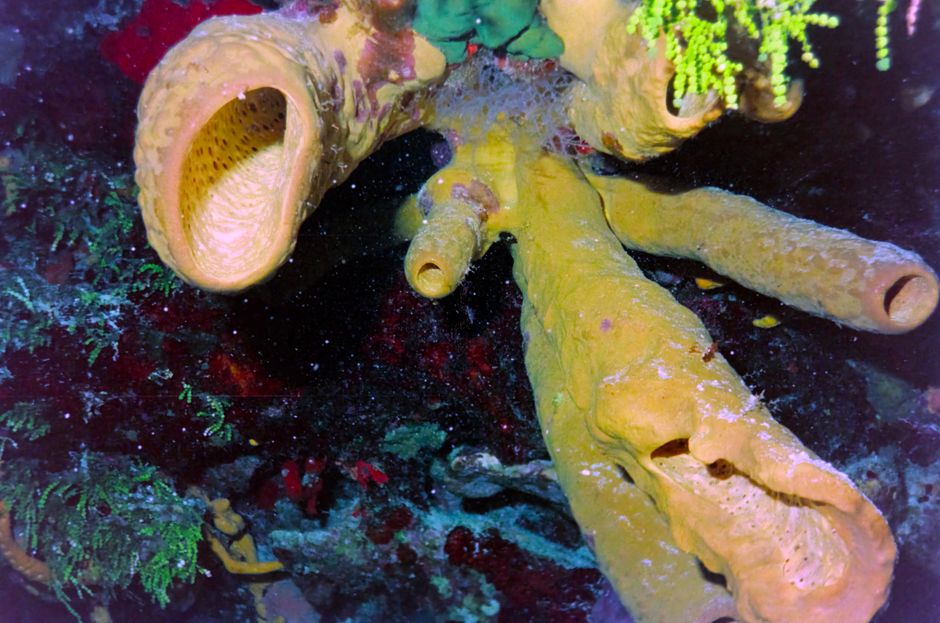
A remarkable discovery in the deep ocean has revealed that certain species of deep-sea sponges act as unwitting biofilters for microplastics. Researchers from the Ocean Exploration Trust and the Monterey Bay Aquarium Research Institute (MBARI), as detailed in a 2023 publication in *Science Advances*, observed sponges actively ingesting and retaining microplastic particles within their porous tissues. This unexpected ecological role highlights the pervasive reach of plastic pollution, even into the most remote marine environments, and suggests these sessile organisms may play a significant, albeit passive, role in the ocean's plastic sequestration.
Editorial check
How this page is checked
Source trail
science.org
External links are separated from Surfaced commentary.
Reader safety
Context before clicks
Product links and external services are not presented as guarantees.
Monetization
No affiliate flag
Ads and commerce links are kept distinct from editorial text.
Surfaced take
Why It’s Fascinating
The sheer volume of plastic entering our oceans is a global crisis, and understanding its fate is paramount. This finding is surprising because sponges, while known filter feeders, were not previously recognized as significant processors of anthropogenic debris in the deep sea. The study documented various types of microplastics, including fibers and fragments, embedded within the mesoglea of sponges collected at depths exceeding 1,000 meters. This suggests that plastic pollution isn't just a surface or coastal problem; it's reaching the abyss. The long-term implications for these ancient ecosystems are still being investigated, but it's possible that sponges are becoming unintended sinks for plastic, potentially impacting their health and the wider food web. It prompts a critical question: what are the cascading effects of this plastic bioaccumulation on deep-sea biodiversity and the carbon cycle?
Related

Taskwarrior
Taskwarrior is a powerful, flexible, and free open-source command-line tool for managing your to-do lists. It allows for complex task organization through…

CarPlay Is Additive
This article presents a critique of Apple CarPlay's user interface design, arguing that its 'additive' nature – building upon the car manufacturer's existing…
Enjoyed this? Get five picks like this every morning.
Free daily newsletter — zero spam, unsubscribe anytime.