
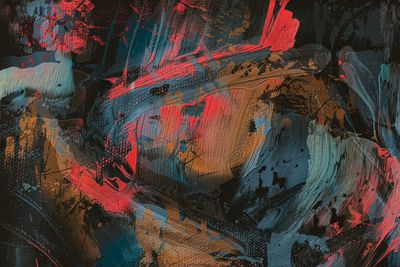
Glaze is a powerful defense tool developed by the University of Chicago's Sand Lab to protect digital artists' work from unauthorized AI training. It works by subtly altering an artist's image in ways that are imperceptible to the human eye but confuse AI models trained to mimic artistic styles. This allows artists to share their work online with a layer of protection against being scraped and replicated by AI systems without their consent. The tool is open-source and freely available.
Editorial check
How this page is checked
Source trail
glaze.cs.uchicago.edu
External links are separated from Surfaced commentary.
Reader safety
Context before clicks
Product links and external services are not presented as guarantees.
Monetization
No affiliate flag
Ads and commerce links are kept distinct from editorial text.
Surfaced take
Why It’s Useful
In an era where AI art generation is rapidly advancing, Glaze offers a vital, practical solution for artists concerned about their style being absorbed and replicated by AI without permission. While many tools focus on AI art generation, Glaze shifts the focus to defense, empowering creators. Its effectiveness lies in its subtlety; the visual integrity of the artwork remains intact for human viewers. This is crucial for artists who rely on their unique style for their livelihood and creative identity. It's a proactive measure for any digital artist wanting to maintain control over their intellectual property in the digital space.
In everyday life
When you’d actually reach for this
You're an illustrator planning to post your latest piece on social media and want to ensure AI models can't easily learn and replicate your distinctive style. Applying Glaze before uploading adds a layer of unseen protection without altering how your art looks to your followers.

Enjoyed this? Get five picks like this every morning.
Free daily newsletter — zero spam, unsubscribe anytime.