Photo via Pexels
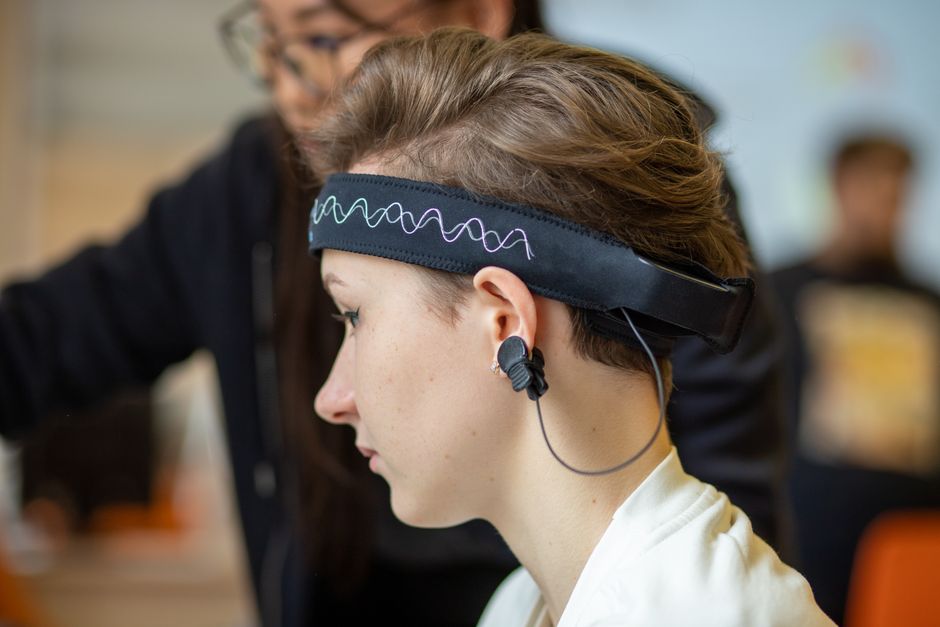
High-Bandwidth Brain-Computer Interfaces (BCIs) establish a direct communication pathway between the brain and an external device, bypassing conventional motor output. These interfaces utilize either invasive methods, such as microelectrode arrays surgically implanted in the cortex, or advanced non-invasive techniques like high-density EEG, to read and interpret thousands of neural signals simultaneously. This allows for translating thoughts or intentions into digital commands, or conversely, stimulating brain regions to restore sensory or motor function. Key organizations driving this field include Neuralink, Synchron, Blackrock Neurotech, and the BrainGate consortium. The technology is primarily in clinical trials for medical applications. In 2021, a paralyzed patient using a BrainGate BCI achieved typing speeds of 90 characters per minute by imagining handwriting, directly replacing reliance on traditional assistive technologies like eye-tracking or voice-to-text.
Editorial check
How this page is checked
Source trail
nature.com
External links are separated from Surfaced commentary.
Reader safety
Context before clicks
Product links and external services are not presented as guarantees.
Monetization
No affiliate flag
Ads and commerce links are kept distinct from editorial text.
Surfaced take
Why It Matters
Millions suffer from debilitating neurological conditions like ALS, paralysis, or stroke that severely impair communication and movement. BCIs offer a profound solution, restoring speech at up to 90 words per minute for paralyzed individuals and enabling direct control of prosthetics or computers, dramatically improving quality of life. When mainstream, individuals with disabilities will regain autonomy, and eventually, general users could control devices and communicate faster than ever, potentially augmenting cognitive abilities or accessing information directly with thought. Winners include BCI developers, medical device companies, and patients. Key barriers are surgical risks for invasive devices, profound ethical concerns (privacy, autonomy, potential for 'mind control'), data security, achieving high signal fidelity, and long-term stability. Medical applications are expected within 3-10 years, with cognitive augmentation and widespread consumer adoption 15-30+ years out. The US is a dominant leader in BCI research and commercialization. A second-order consequence is the fundamental redefinition of human communication, learning, and potentially identity, leading to profound philosophical debates about consciousness, free will, and the nature of being human in a hyper-connected, augmented world.
Development Stage
Related

Textio
Textio is an advanced AI-powered augmented writing platform developed by Textio, Inc., designed to dramatically improve the performance and inclusivity of…

Flowrite
Flowrite is an AI-powered writing assistant that helps users generate professional emails and messages instantly. By leveraging a browser extension, it…
Enjoyed this? Get five picks like this every morning.
Free daily newsletter — zero spam, unsubscribe anytime.