
Photo via Pexels
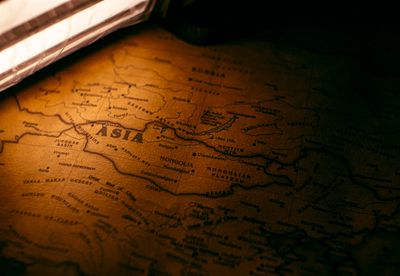
Lingua Cartographia is a fascinating online atlas that visualizes the distribution and evolution of languages and dialects across the globe. It leverages linguistic data to create interactive maps that allow users to explore isoglosses (lines of equal linguistic features), dialectal variations, and the historical spread of language families. You can pinpoint a region and see detailed information about the languages spoken there, their relationships, and even sample pronunciations or grammatical structures. It's an indispensable tool for linguists, historians, and anyone intrigued by the tapestry of human communication.
Editorial check
How this page is checked
Source trail
lingua-cartographia.org
External links are separated from Surfaced commentary.
Reader safety
Context before clicks
Product links and external services are not presented as guarantees.
Monetization
No affiliate flag
Ads and commerce links are kept distinct from editorial text.
Surfaced take
Why It’s Useful
This resource is a goldmine for anyone interested in historical linguistics or sociolinguistics, offering a visual depth rarely found outside specialized academic journals. Unlike static charts, Lingua Cartographia's interactive maps allow for granular exploration. For example, you can trace the gradual shift of vowel sounds across a country or visualize the geographical boundaries of specific grammatical features. It's particularly powerful for understanding how languages influence each other through migration and contact. Power users appreciate its ability to quickly cross-reference dialectal data with geographical context, aiding research into language diversification and heritage. It’s an excellent alternative to the often less detailed or interactive linguistic maps found in general encyclopedias.
In everyday life
When you’d actually reach for this
You're planning a group trip to Europe and wonder how different regional accents might affect communication. While researching a historical novel set in a specific country, you need to understand how dialects might have shifted over time in that area. You're curious about the linguistic roots of a family surname and want to see where it might have originated.




Enjoyed this? Get five picks like this every morning.
Free daily newsletter — zero spam, unsubscribe anytime.