Photo via Pexels
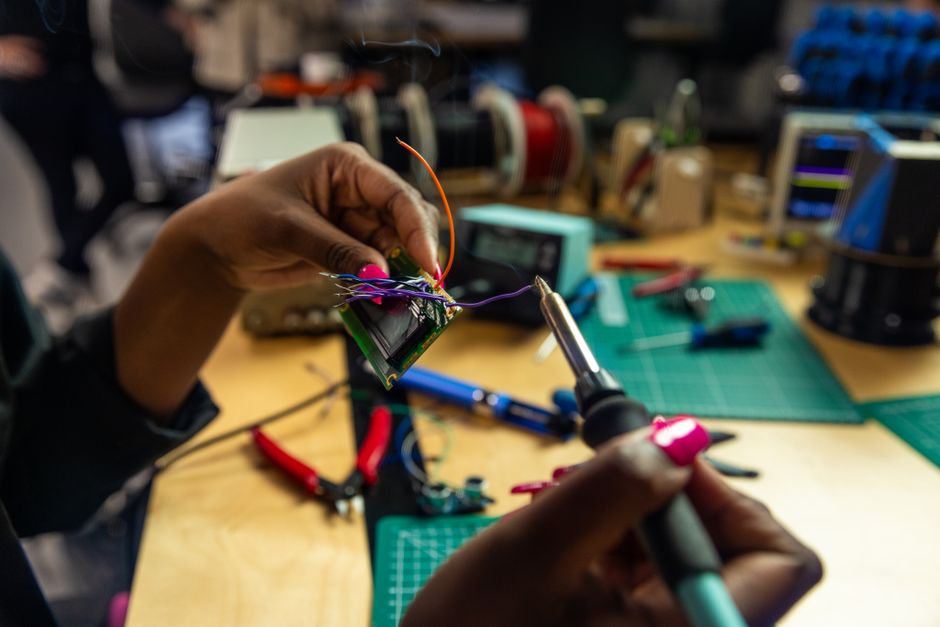
This refers to a project that demonstrates the feasibility of constructing basic Random Access Memory (RAM) modules using accessible components and a home laboratory setup. The video showcases a step-by-step process, likely involving discrete electronic components like transistors and capacitors, to build functional memory circuits. The achievement is in demystifying and enabling DIY creation of fundamental computing hardware, even if at a rudimentary level.
Editorial check
How this page is checked
Source trail
arxiv.org
External links are separated from Surfaced commentary.
Reader safety
Context before clicks
Product links and external services are not presented as guarantees.
Monetization
No affiliate flag
Ads and commerce links are kept distinct from editorial text.
Surfaced take
Why It Matters
While not aiming for commercial-grade performance, this project profoundly matters for education and fostering a deeper understanding of computer hardware. It could inspire a new generation of electronics enthusiasts and engineers, democratizing knowledge typically confined to specialized labs. Mainstream adoption in this context means wider accessibility of educational materials and kits, potentially within 2-4 years. The primary obstacle is the complexity and precision required for high-performance memory, but for learning purposes, it's already a breakthrough. It could lead to more accessible repair and customisation of older electronics and a greater appreciation for the underlying technology.
Development Stage
Related

Ti-84 Evo
The TI-84 Evo is an advanced graphing calculator designed for high school and college students, offering a modern and enhanced user experience compared to its…

Todo.txt
Todo.txt is a minimalist, command-line-based to-do list manager that emphasizes simplicity and portability. It allows users to manage tasks using a plain text…
Enjoyed this? Get five picks like this every morning.
Free daily newsletter — zero spam, unsubscribe anytime.