Photo via Pexels
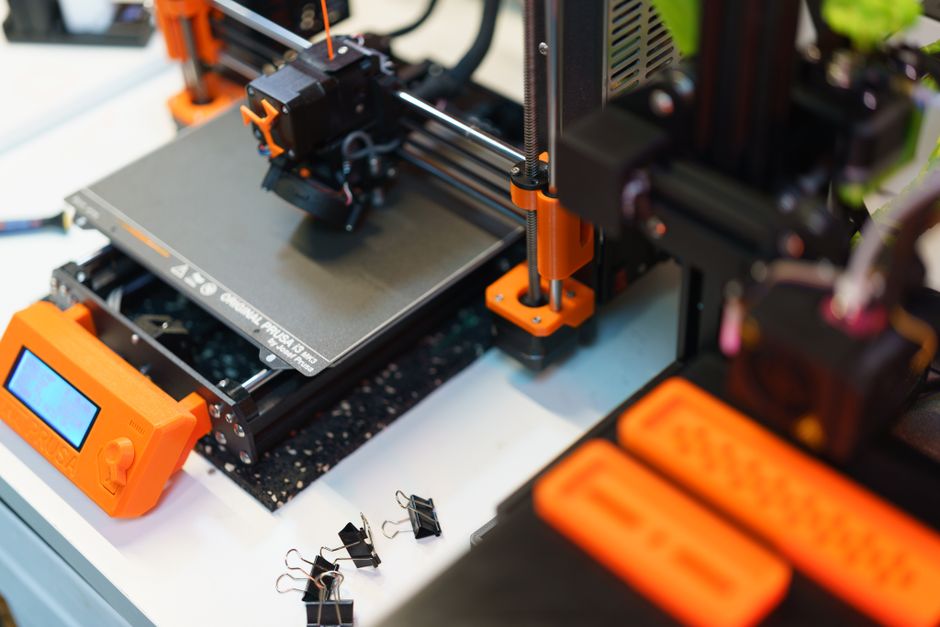
Multi-Material 3D Printing encompasses advanced additive manufacturing processes capable of simultaneously depositing or fusing multiple distinct materials—including metals, ceramics, polymers, and conductive inks for electronics—within a single print job. This enables the creation of complex, finished products with integrated functionalities, such as embedded sensors, flexible circuits, internal cooling channels, and even pre-assembled moving parts, all manufactured in one continuous process. Key players include Stratasys, 3D Systems, Desktop Metal, XJet, and research from institutions like MIT's Self-Assembly Lab. This technology is in advanced R&D and specialized industrial applications, with early commercialization for specific multi-material combinations. MIT researchers demonstrated printing functional hydraulic robots with embedded fluids and electronics in 2020, directly replacing multi-stage traditional manufacturing processes that require separate fabrication and assembly of components.
Editorial check
How this page is checked
Source trail
nature.com
External links are separated from Surfaced commentary.
Reader safety
Context before clicks
Product links and external services are not presented as guarantees.
Monetization
No affiliate flag
Ads and commerce links are kept distinct from editorial text.
Surfaced take
Why It Matters
Traditional manufacturing is often slow, requires extensive tooling, and involves complex assembly lines for multi-component products, leading to inefficiencies and waste. Multi-material 3D printing collapses these steps, reducing production time by up to 90%, enabling rapid prototyping and 'just-in-time' manufacturing of highly customized, functional parts with integrated intelligence. When mainstream, this means on-demand spare parts for any appliance, personalized medical implants with integrated sensors, smart consumer electronics printed in a single go, and highly efficient, customized industrial components. Winners include advanced manufacturing companies, aerospace, medical device, and defense industries, as well as designers and small businesses. Barriers include achieving high resolution and material compatibility across diverse material classes, managing thermal stresses between dissimilar materials, improving print speed, and significant capital investment. Niche industrial adoption is occurring now, with wider industrial and specialized consumer products expected in 5-10 years, and mainstream consumer manufacturing in 15-20 years. The US, Germany, Israel, and China are leading in this field. A second-order consequence is the potential decentralization of manufacturing, allowing for hyper-local production of complex goods, dramatically shortening supply chains, and fostering a new era of product customization and rapid innovation, potentially shifting global economic power.
Development Stage

Enjoyed this? Get five picks like this every morning.
Free daily newsletter — zero spam, unsubscribe anytime.