Photo via Pexels
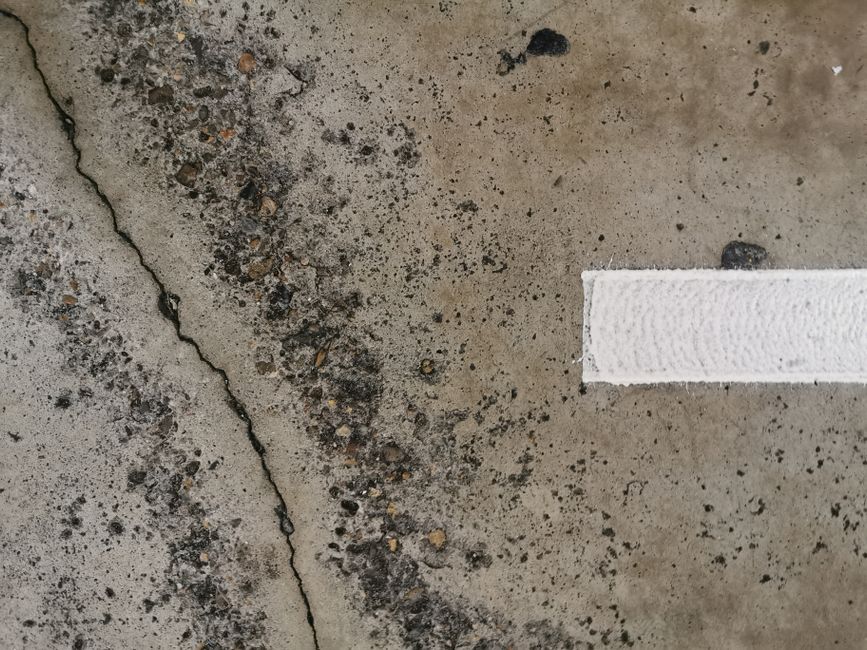
Researchers have successfully replicated the self-healing properties of ancient Roman concrete, a material that has survived millennia underwater. By incorporating lime clasts, which react with water to fill cracks, they have developed a modern concrete that can autonomously repair itself. This innovation, reported in *Science Advances* in 2023, promises to significantly extend the lifespan of concrete structures and reduce the environmental impact of cement production.
Editorial check
How this page is checked
Source trail
science.org
External links are separated from Surfaced commentary.
Reader safety
Context before clicks
Product links and external services are not presented as guarantees.
Monetization
No affiliate flag
Ads and commerce links are kept distinct from editorial text.
Surfaced take
Why It’s Fascinating
The engineering marvels of ancient Rome continue to inspire awe, and their concrete is no exception. Its remarkable durability, especially in marine environments, has long puzzled modern materials scientists. A breakthrough came in 2023 when a team at MIT, led by Professor Carlos Diaz, published in *Science Advances* demonstrating how 'lime clasts' – small, irregular chunks of lime – within the Roman mix were the key. When cracks formed, water would ingress, slaking the lime to form calcium hydroxide. This then reacted with carbonate ions to create calcium carbonate, effectively filling and healing the crack. The MIT team has now successfully replicated this process using modern materials, creating a 'self-healing concrete' that can repair cracks up to a millimeter wide within weeks. This has enormous potential for infrastructure, reducing maintenance costs and extending the lifespan of bridges, dams, and buildings. It could also dramatically cut down on CO2 emissions associated with new cement production. The fascinating question remains: what other lost engineering secrets are waiting to be rediscovered from the ancient world?
Related

Automerge
Automerge is an open-source JavaScript library designed to streamline the development of collaborative applications. It provides a robust mechanism for…

A couple million lines of Haskell: Production engineering at Mercury
This article, 'A couple million lines of Haskell: Production engineering at Mercury,' details the sophisticated engineering practices at Mercury, a financial…
Enjoyed this? Get five picks like this every morning.
Free daily newsletter — zero spam, unsubscribe anytime.