
Photo via Pexels
High-resolution 3D bioprinted liver constructs involve using bio-inks containing living cells to precisely layer and structure functional liver tissue, mimicking the native organ's complex architecture. This process typically employs extrusion or inkjet bioprinting methods to create vascularized lobules and bile ducts, essential for liver function. Companies like Organovo, CellInk, and academic labs such as those at Wake Forest Institute for Regenerative Medicine are leading the charge. These constructs are currently in the prototype stage, primarily utilized for drug toxicity testing and disease modeling, with long-term goals for transplantation. In early 2024, researchers at the University of California, San Diego, successfully bioprinted human liver spheroids with functional albumin secretion and urea synthesis for over 40 days, published in *Advanced Functional Materials*. This technology promises a more accurate and ethical alternative to animal models and addresses the limitations of 2D cell cultures for liver research.
Editorial check
How this page is checked
Source trail
nature.com
External links are separated from Surfaced commentary.
Reader safety
Context before clicks
Product links and external services are not presented as guarantees.
Monetization
No affiliate flag
Ads and commerce links are kept distinct from editorial text.
Surfaced take
Why It Matters
Liver disease affects over 1.5 billion people globally, with end-stage liver disease requiring transplants, yet donor organs are critically scarce (over 100,000 on waiting lists in the US alone). Mainstream adoption could lead to on-demand, patient-specific liver tissues for transplantation, ending organ waiting lists and preventing countless deaths. Patients and healthcare systems would be major winners, while the illicit organ trade would be undercut. Significant challenges include achieving sufficient cell density for full organ function, ensuring long-term viability and vascular integration post-implantation, and navigating stringent regulatory approval processes for implantable devices. Commercial availability for therapeutic use is likely 15-20 years away, with companies like United Therapeutics (via its Lung Biotechnology subsidiary) and academic giants in China and the US heavily investing. A second-order consequence could be a redefinition of what constitutes 'organ failure,' potentially expanding the scope of treatable conditions as replacement becomes easier.
Development Stage
Related
WhatCable
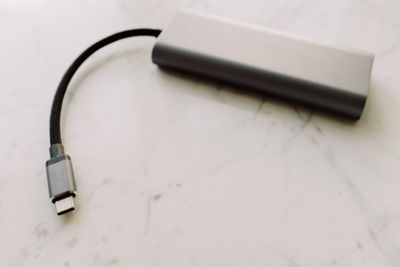
WhatCable is a minimalist menu bar application for macOS that provides detailed information about your connected USB-C cables. It helps users understand the…

Hoppscotch
Hoppscotch, an open-source project created by Liyas Thomas and maintained by a community, is a free, fast, and beautiful API development ecosystem delivered as…
Enjoyed this? Get five picks like this every morning.
Free daily newsletter — zero spam, unsubscribe anytime.