Photo via Pexels
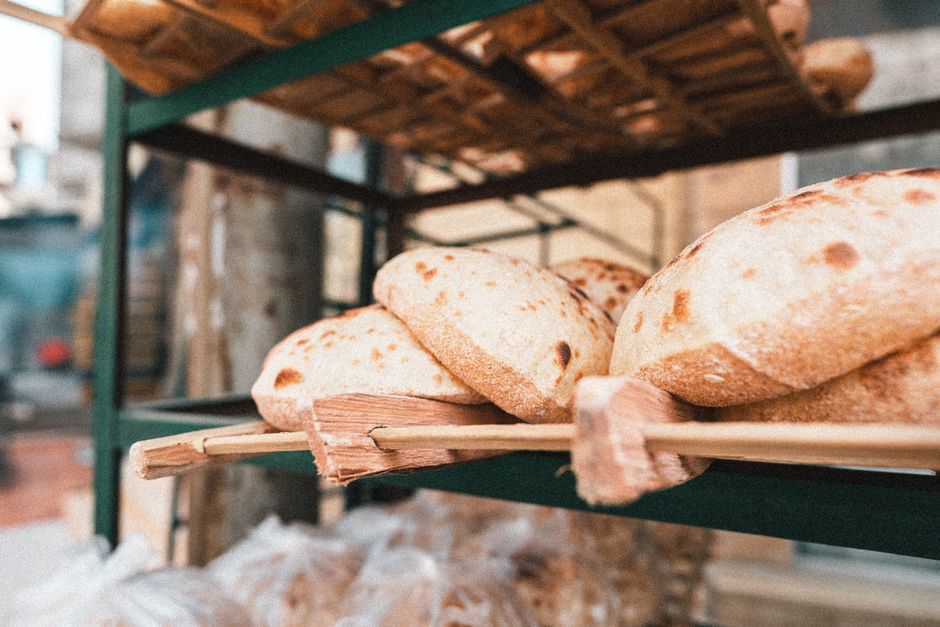
A team led by microbiologist Seamus Blackley, in collaboration with archaeologists and Egyptologists, successfully recreated ancient Egyptian sourdough bread. They used yeast and bacteria strains, including *Saccharomyces cerevisiae* and various lactic acid bacteria, isolated from 4,500-year-old pottery shards. Microbes were carefully extracted from the porous ceramic interiors of bowls and jars unearthed from ancient Egyptian tombs, then cultured and used to ferment modern flour, water, and olive oil. The resulting bread, described as having a rich, complex aroma, offers a direct sensory link to the daily diet of pharaohs and commoners, revealing sophisticated fermentation practices. This groundbreaking work was highlighted in *mBio* in 2019.
Editorial check
How this page is checked
Source trail
smithsonianmag.com
External links are separated from Surfaced commentary.
Reader safety
Context before clicks
Product links and external services are not presented as guarantees.
Monetization
No affiliate flag
Ads and commerce links are kept distinct from editorial text.
Surfaced take
Why It’s Fascinating
Experts were surprised by the viability and diversity of ancient microbes, demonstrating their remarkable resilience over millennia and offering a direct window into ancient food science. This challenges the notion that our understanding of ancient cuisine is purely theoretical, showing that direct biological reconstruction is possible and yields tangible results. In 5-10 years, this methodology could be applied to recreate other ancient fermented foods or beverages, providing unique insights into historical diets, agricultural practices, and even ancient microbial ecosystems. It's like finding an ancient computer hard drive and not just reading its data, but actually booting it up to run its original programs. Food historians, microbiologists, archaeologists, and culinary enthusiasts benefit most, gaining unprecedented access to the flavors and microbial heritage of the past. What other ancient biological processes could we revive and learn from, and what ethical considerations might arise from 'de-extincting' ancient microbial life?
Related

Palette Inspiration
Palette Inspiration allows users to explore and discover color palettes derived from the artworks of master painters throughout history. By analyzing thousands…

Insight Timer: Meditation App
Insight Timer, developed by the same team, is the world's largest free meditation app, offering thousands of guided meditations, talks, and ambient sounds from…
Enjoyed this? Get five picks like this every morning.
Free daily newsletter — zero spam, unsubscribe anytime.