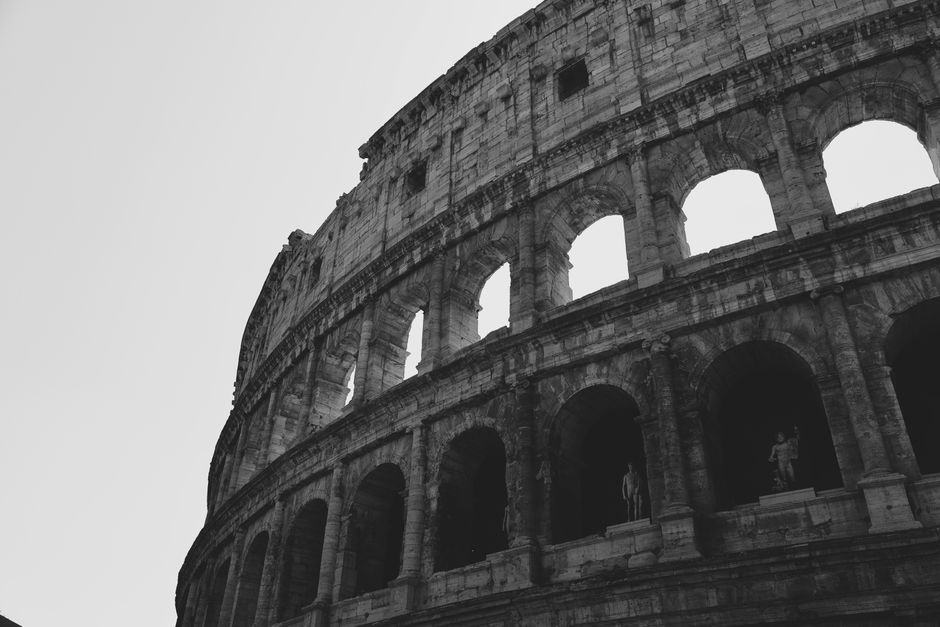
Photo via Pexels
Researchers at the University of Bologna have successfully recreated the acoustic properties of a 2,000-year-old Roman amphitheater using advanced virtual reality and acoustic modeling techniques. By meticulously analyzing the architectural plans and surviving structural elements of the Verona Arena, they generated detailed simulations of sound propagation, revealing how voices and music would have been heard by an audience of up to 30,000 people. The team employed ray-tracing algorithms and impulse response measurements to simulate the sound reflections and reverberations within the specific geometry of the ancient structure. This work provides a profound, counterintuitive insight into the engineering prowess of Roman architects, demonstrating their implicit understanding of acoustics long before modern scientific principles were formalized. The reconstruction challenges the notion that ancient builders lacked sophisticated acoustic planning.
Editorial check
How this page is checked
Source trail
Editorial source pending
External links are separated from Surfaced commentary.
Reader safety
Context before clicks
Product links and external services are not presented as guarantees.
Monetization
No affiliate flag
Ads and commerce links are kept distinct from editorial text.
Surfaced take
Why It’s Fascinating
Experts were surprised by the exceptional clarity and even sound distribution revealed in the simulations, indicating a deliberate acoustic design rather than mere serendipity. This overturns the previous assumption that the impressive acoustics of Roman theaters were largely accidental, confirming that ancient builders possessed a sophisticated, albeit empirical, understanding of sound. Within 5-10 years, this methodology could be applied to reconstruct the soundscapes of other ancient sites, offering immersive educational experiences and informing modern architectural acoustics. Imagine stepping into a virtual Colosseum and hearing the roar of the crowd or the clang of gladiatorial combat as it was heard two millennia ago. Historians, archaeologists, architects, and educators benefit most. What other lost acoustic environments from antiquity could be brought back to life using these advanced techniques?
Related
Playa Phone
Playa Phone is a sophisticated web-based platform engineered for seamless, real-time, collaborative music creation. It empowers multiple musicians to connect…
CodeRunner 4
CodeRunner 4, developed by Nikolai Krill, is a powerful and versatile macOS application designed to run code snippets and files in over 25 programming…
Enjoyed this? Get five picks like this every morning.
Free daily newsletter — zero spam, unsubscribe anytime.