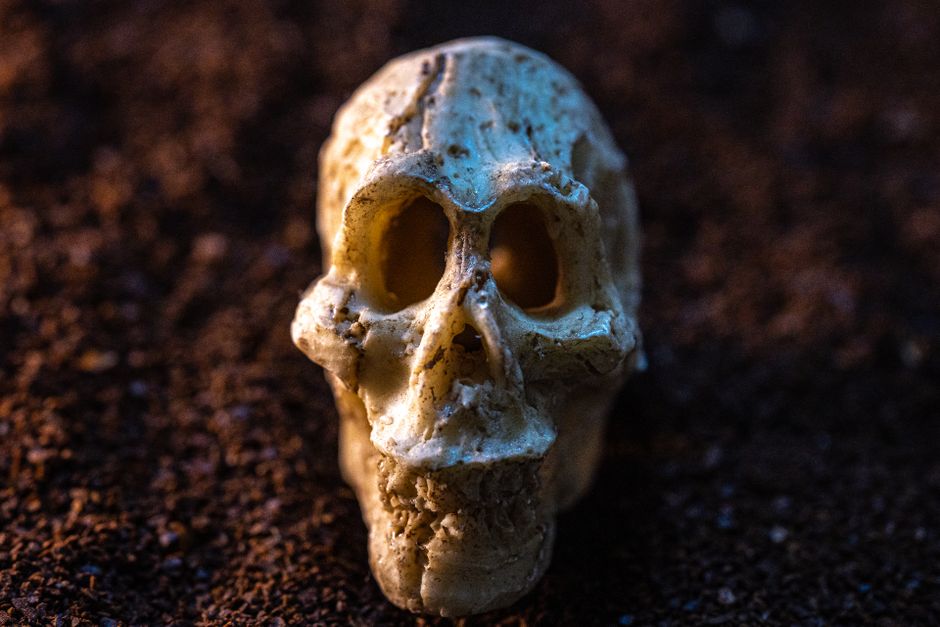
Photo via Pexels
In 2020, a study in the 'Journal of Human Evolution' led by Dr. Sireen El Zaatari of the University of Toronto analyzed the microscopic wear patterns on the teeth of *Australopithecus sediba*, an early hominin species that lived around 2 million years ago in South Africa. The researchers found evidence that these hominins consumed a significant amount of tough, fibrous plant material, including bark and possibly roots. This detailed dietary insight provides a surprising glimpse into the survival strategies of our ancient ancestors.
Why It’s Fascinating
The teeth of *Australopithecus sediba* have become a microscopic archive of their last meals. By examining the faint scratches and polish left by food particles on the enamel, scientists can reconstruct surprisingly precise details about their diet. This 2020 study revealed that these hominins weren't solely reliant on fruits and soft vegetation; their diets included harder, more resilient plant matter, suggesting they possessed the dental adaptations and foraging behaviors to exploit a wider range of food sources. This challenges previous assumptions about the simplicity of early hominin diets and highlights their adaptability in diverse paleoenvironments. Understanding what our ancestors ate is fundamental to understanding their evolution, their migration patterns, and their interactions with their environment. It provides a direct link to their daily lives and survival. This research deepens our appreciation for the ingenuity and resourcefulness required to thrive millions of years ago, prompting us to ask: how did this diverse diet influence their cognitive development and social structures?
More Like This

The Dancing Plague of 1518: A Mysterious Outbreak of Uncontrollable Dancing
In Strasbourg, a woman began dancing uncontrollably in the street, and within a month, hundreds joined her, dancing for days without rest. This strange phenomenon resulted in several deaths from exhaustion, heart attack, or stroke. Historians are still debating the exact causes, ranging from mass psychogenic illness to ergot poisoning.

The Year Without a Summer Caused Global Famine and Extreme Weather
In 1816, much of the Northern Hemisphere experienced abnormally cold temperatures, crop failures, and widespread famine. This dramatic climatic anomaly, often dubbed 'The Year Without a Summer,' was primarily caused by the massive eruption of Mount Tambora in Indonesia the previous year, which spewed enormous amounts of ash and aerosols into the atmosphere, blocking sunlight.

Ketchup's Surprising Past: From Medicinal Tonic to Condiment Staple
Before becoming a beloved condiment, ketchup had a very different role. In the 19th century, it was marketed as a medicinal remedy for various ailments, complete with recipes for 'tomato pills.' This transformation highlights how perceptions of food and medicine have evolved dramatically over time.

Ancient Greeks Pioneered Steam Power for Amusements and Temple Rituals
Long before the Industrial Revolution, ancient Greek inventors like Hero of Alexandria developed devices powered by steam. These early applications included self-opening temple doors and the 'aeolipile' engine, primarily for novelty and religious theatrics rather than practical work.
Explore Related
From Product, Hidden Gem, Future Tech

Waterpik Aquarius Water Flosser
An advanced water flosser designed to remove plaque and debris between teeth and below the gumline using a targeted stream of water. It features ten pressure settings and a special massage mode for optimal gum stimulation.

Ithihāsas – a character explorer for Hindu epics
Ithihāsas is a web application designed to explore and understand the complex characters and relationships within Hindu epics like the Ramayana and Mahabharata. Built in a remarkably short time, it provides an interactive interface to navigate through characters, their lineage, key events, and connections. This tool is perfect for students, scholars, or anyone curious about the rich narratives and intricate character webs of these ancient texts.

AI-Driven Personalized Nutritional Biomes
This technology utilizes advanced AI to analyze an individual's unique gut microbiome composition, genetics, and health data to prescribe highly personalized dietary interventions. It recommends specific foods, probiotics, and prebiotics to optimize digestive health, metabolism, and overall well-being.
You Might Also Like

Ancient Roman Concrete Had Self-Healing Properties
Explore →
Synthetic Cells Demonstrate Biological Evolution in Lab
Explore →
Venus's Ancient Past May Have Harbored Oceans
Explore →
Earth's Solid Inner Core Might Be Two Distinct Solid Layers
Explore →
Ancient Farmers Cultivated Insects
Explore →
Deep-Sea Vents Host Astonishing New Life Forms
Explore →Ancient Roman Concrete Had Self-Healing Properties
Explore →Synthetic Cells Demonstrate Biological Evolution in Lab
Explore →Venus's Ancient Past May Have Harbored Oceans
Explore →Earth's Solid Inner Core Might Be Two Distinct Solid Layers
Explore →Ancient Farmers Cultivated Insects
Explore →Deep-Sea Vents Host Astonishing New Life Forms
Explore →Enjoyed this? Get five picks like this every morning.
Free daily newsletter — zero spam, unsubscribe anytime.