Photo via Pexels
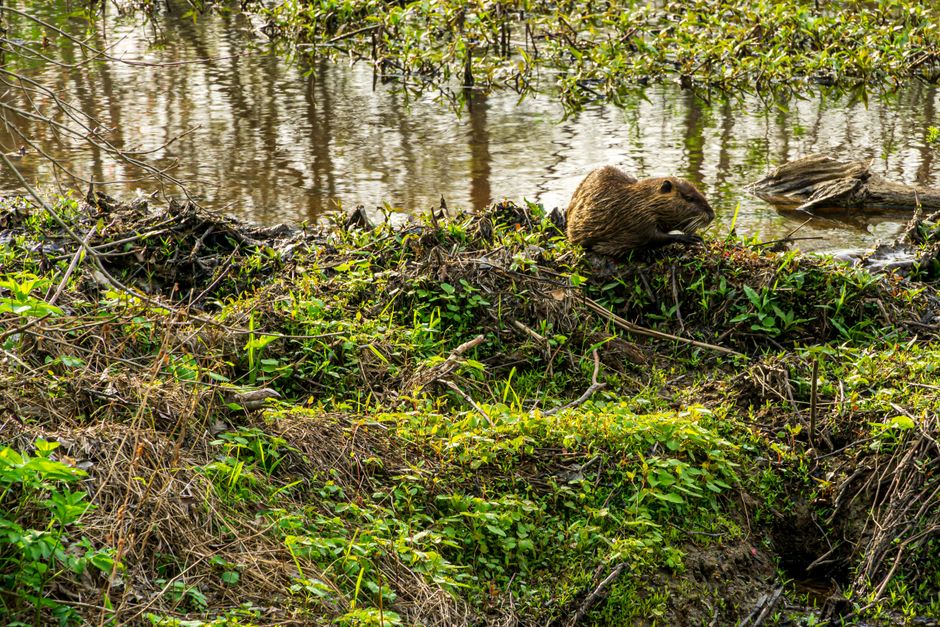
A long-term study by the University of Exeter and Devon Wildlife Trust in the UK has conclusively demonstrated the ecological benefits of beaver reintroduction. After five years, the reintroduced beavers created over 20 new ponds and significantly increased wetland areas by 10-15%, enhancing biodiversity and filtering water naturally. Researchers monitored water flow, sediment retention, water quality, and biodiversity changes in the River Otter catchment following the reintroduction of Eurasian beavers. Their dam-building activities surprisingly reduced downstream flooding events by up to 30% during heavy rainfall and improved water quality by trapping pollutants. The final report from the River Otter Beaver Trial was published in February 2020.
Editorial check
How this page is checked
Source trail
devonwildlifetrust.org
External links are separated from Surfaced commentary.
Reader safety
Context before clicks
Product links and external services are not presented as guarantees.
Monetization
No affiliate flag
Ads and commerce links are kept distinct from editorial text.
Surfaced take
Why It’s Fascinating
Experts were impressed by the speed and scale at which beavers transformed landscapes, proving them to be incredibly efficient and cost-effective natural engineers for ecological restoration. This research reinforces the concept of "ecosystem engineers," confirming that reintroducing even a single species can jumpstart complex ecological processes, overturning prior skepticism about their wider benefits. Within 5-10 years, more countries will adopt beaver reintroduction programs as a nature-based solution for flood mitigation, water purification, and wetland creation, saving millions in infrastructure costs. It's like bringing back a skilled landscape architect who works for free, building intricate water features and habitats that benefit countless other species. Farmers (through reduced flooding), water managers, conservationists, and local communities experiencing climate impacts are the primary beneficiaries. What other "missing engineers" could unlock similar natural solutions to our pressing environmental challenges if given the chance?
Related

Anthropic's 'watermark' text adulteration in Claude is a perversion of writing
This article from Daring Fireball critically examines Anthropic's decision to embed imperceptible watermarks in the text generated by their Claude AI models…

Nature Skills
nature-skills is a Python library designed to help researchers and academics create publication-quality figures and visualizations that adhere to the stylistic…
Enjoyed this? Get five picks like this every morning.
Free daily newsletter — zero spam, unsubscribe anytime.