Photo via Pexels
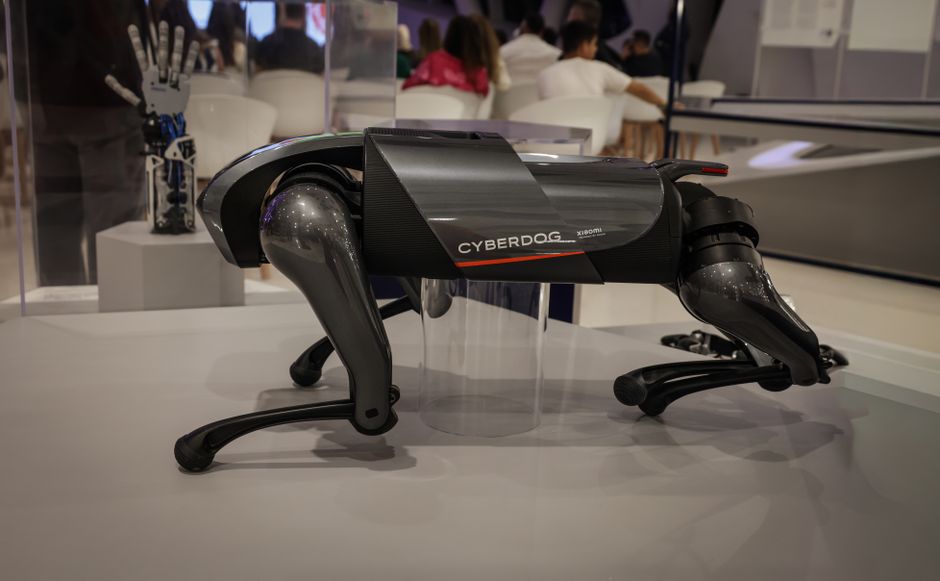
CARA 2.0, developed by AAEDMUSA, is an advanced quadrupedal robot designed to surpass previous iterations in agility and functionality. The project's creator states, 'I Built a Better Robot Dog,' highlighting significant improvements in its locomotion, sensing capabilities, and overall intelligence. This iteration likely incorporates enhanced AI for navigation, object interaction, and potentially more complex task execution in dynamic environments.
Editorial check
How this page is checked
Source trail
Editorial source pending
External links are separated from Surfaced commentary.
Reader safety
Context before clicks
Product links and external services are not presented as guarantees.
Monetization
No affiliate flag
Ads and commerce links are kept distinct from editorial text.
Surfaced take
Why It Matters
The advancement of quadrupedal robots like CARA 2.0 signals a leap towards more versatile and adaptable robotic systems. These robots can traverse challenging terrains, perform reconnaissance, assist in dangerous environments, or even provide companionship, blurring the lines between industrial and domestic applications. The realistic timeline for widespread deployment in search and rescue or logistics is 5-7 years, contingent on cost reduction and regulatory frameworks. Key obstacles include battery life, durability in harsh conditions, and sophisticated AI for true autonomy and human interaction. Once mature, these robot dogs could revolutionize inspection, surveillance, and delivery services, making complex environments more accessible and automating hazardous tasks.
Development Stage
Related
Fontjoy
Fontjoy leverages artificial intelligence to help users find perfect font pairings for their design projects. It analyzes thousands of fonts and uses machine…

Clipdrop
Clipdrop is a suite of AI-powered tools designed to enhance and manipulate images with remarkable ease. It offers features like background removal, object…
Enjoyed this? Get five picks like this every morning.
Free daily newsletter — zero spam, unsubscribe anytime.