
Photo via Pexels
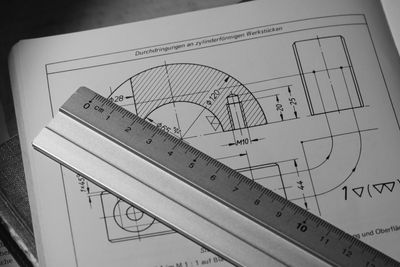
This advancement leverages Large Language Models (LLMs), specifically Anthropic's Claude, to assist in the complex process of architectural design. The breakthrough, highlighted by Anthropic Labs, involves using LLMs to generate and iterate on design concepts, test feasibility, and even draft technical specifications. Claude Design functions by understanding natural language design briefs and translating them into actionable design proposals, accelerating the conceptual and early-stage planning phases of architecture.
Editorial check
How this page is checked
Source trail
anthropic.com
External links are separated from Surfaced commentary.
Reader safety
Context before clicks
Product links and external services are not presented as guarantees.
Monetization
No affiliate flag
Ads and commerce links are kept distinct from editorial text.
Surfaced take
Why It Matters
This technology promises to democratize and accelerate architectural design by reducing the time and expertise needed for initial concept generation. It could empower smaller firms or even individuals to explore sophisticated design possibilities. While widespread adoption might be 5-10 years away due to the need for robust regulatory frameworks and integration into existing CAD software, the potential for novel, optimized, and aesthetically diverse built environments is immense. The primary obstacle is ensuring architectural integrity and safety beyond AI-generated outputs, but it could lead to hyper-personalized and context-aware buildings.
Development Stage
Related

ModelMap
ModelMap generates dynamic, animated visualizations for machine learning architectures hosted on Hugging Face. This allows for an in-depth exploration of…
LibreCAD
LibreCAD is a robust, free, and open-source 2D Computer-Aided Design (CAD) application accessible across Windows, macOS, and Linux platforms. It empowers users…
Enjoyed this? Get five picks like this every morning.
Free daily newsletter — zero spam, unsubscribe anytime.