Photo via Pexels
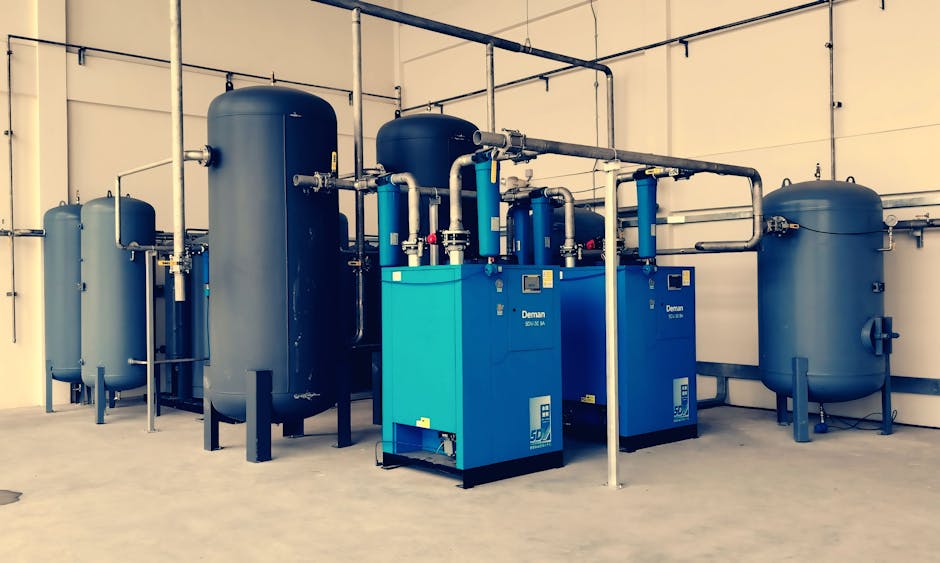
Advanced Compressed Air Energy Storage (CAES) systems store energy by compressing air into large underground caverns or tanks when electricity is cheap and abundant, then releasing the air to drive turbines and generate electricity when demand is high. 'Advanced' versions often incorporate thermal energy storage to improve efficiency, eliminating the need for natural gas combustion. Companies like Hydrostor and SustainX (now part of GE) are developing these systems. The technology is in the early commercialization phase, with large-scale projects planned; Hydrostor began construction on its 500 MW/4000 MWh CAES project in Broken Hill, Australia, in 2022, which is designed for 8 hours of discharge and aims for operation by 2027. Unlike conventional pumped-hydro, CAES doesn't require specific topography and offers a non-chemical, non-degrading long-duration storage solution.
Editorial check
How this page is checked
Source trail
hydrostor.ca
External links are separated from Surfaced commentary.
Reader safety
Context before clicks
Product links and external services are not presented as guarantees.
Monetization
No affiliate flag
Ads and commerce links are kept distinct from editorial text.
Surfaced take
Why It Matters
The variability of renewable energy sources leads to grid imbalances and curtailment, costing utilities and consumers billions and hindering decarbonization goals. Mainstream Advanced CAES could provide gigawatt-hour scale, multi-day energy storage, enabling seamless integration of renewables and ensuring a stable, reliable power supply for entire regions, even during prolonged periods of low renewable output. Utilities and grid operators would significantly benefit from grid stability and reduced reliance on fossil fuels, while companies involved in traditional peaker plants might see their market shrink. Technical challenges include securing suitable geological formations for storage and optimizing the thermal management system for efficiency. Widespread adoption for grid stabilization is anticipated within 8-15 years, with Canada (Hydrostor) and the US leading, and significant potential in countries with salt cavern formations or abandoned mines. A second-order consequence is the potential for CAES to serve as a strategic energy reserve, enhancing national energy security and resilience against geopolitical disruptions.
Development Stage
Related

ProcessOn
ProcessOn is a web-based diagramming and collaboration platform that simplifies the creation of various visual documents, including flowcharts, mind maps…

Fontshare
Fontshare is a distinguished, free-to-use font service created by Indian Type Foundry (ITF), a renowned type foundry, offering a meticulously curated…
Enjoyed this? Get five picks like this every morning.
Free daily newsletter — zero spam, unsubscribe anytime.