Photo via Pexels
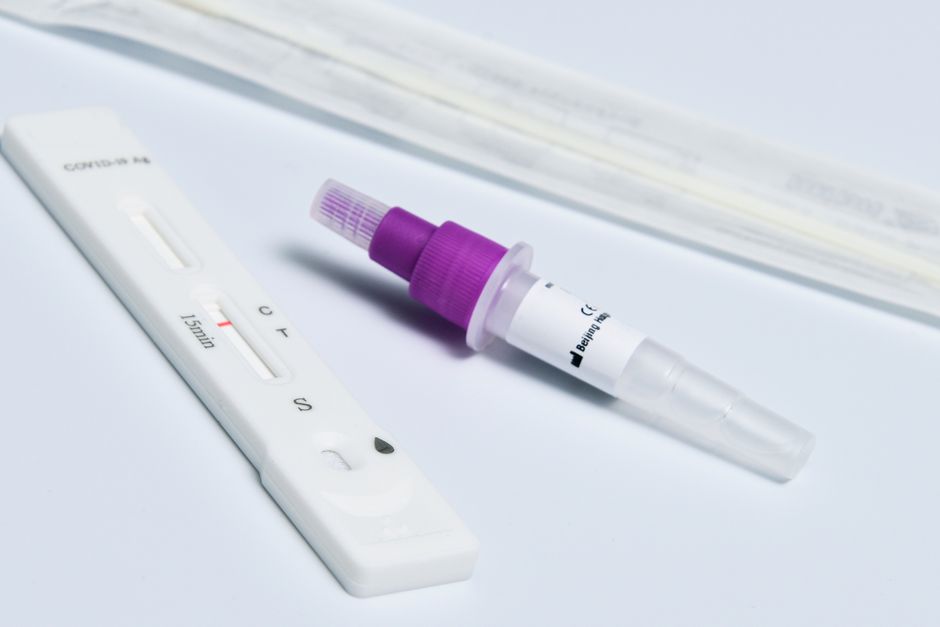
CRISPR-guided point-of-care diagnostics utilize the highly specific nucleic acid detection capabilities of CRISPR-Cas systems (like Cas12 or Cas13) to rapidly identify genetic material from pathogens, cancer cells, or specific biomarkers. These systems are typically integrated into low-cost, portable devices that can provide results in minutes from simple samples like saliva or blood, without needing complex lab equipment. Major contributors include Sherlock Biosciences, Mammoth Biosciences, and academic groups at MIT and UC Berkeley. The technology is currently in early commercialization, with several FDA Emergency Use Authorizations for COVID-19 diagnostics. In 2020, Sherlock Biosciences received the first FDA EUA for a CRISPR-based diagnostic for COVID-19, demonstrating its speed and accuracy. This offers a significantly faster, more accurate, and more accessible alternative to traditional PCR-based tests, which require specialized laboratories and trained personnel.
Editorial check
How this page is checked
Source trail
sherlock.bio
External links are separated from Surfaced commentary.
Reader safety
Context before clicks
Product links and external services are not presented as guarantees.
Monetization
No affiliate flag
Ads and commerce links are kept distinct from editorial text.
Surfaced take
Why It Matters
Infectious diseases, chronic conditions, and global pandemics demand rapid, accessible, and accurate diagnostics to enable timely treatment and prevent widespread transmission, impacting billions globally and costing trillions. Mainstream CRISPR diagnostics would allow for immediate, on-site detection of diseases in clinics, homes, or remote areas, revolutionizing public health and personalized medicine. Patients would benefit from faster diagnoses and tailored treatments; diagnostic companies with CRISPR platforms would win, while traditional lab-based testing services might see a shift in demand. Key challenges include achieving ultra-high sensitivity for early-stage detection, ensuring robust performance across diverse sample types, and navigating global regulatory approvals for decentralized testing. Widespread commercial availability for several infectious diseases and some genetic markers is likely within 3-7 years. The US, with its strong biotech ecosystem, is leading the development, alongside global efforts to combat pandemics. A second-order consequence is the democratization of advanced diagnostics, empowering individuals with more control over their health data and potentially reducing healthcare disparities in underserved regions.
Development Stage
Related

gping
gping is an open-source command-line utility, written in Rust, that offers a unique approach to network diagnostics by visualizing `ping` results. Its core…

Osmosis AI
Osmosis AI is an advanced educational platform dedicated to making complex medical knowledge accessible and understandable. It leverages AI to break down…
Enjoyed this? Get five picks like this every morning.
Free daily newsletter — zero spam, unsubscribe anytime.