Photo via Pexels
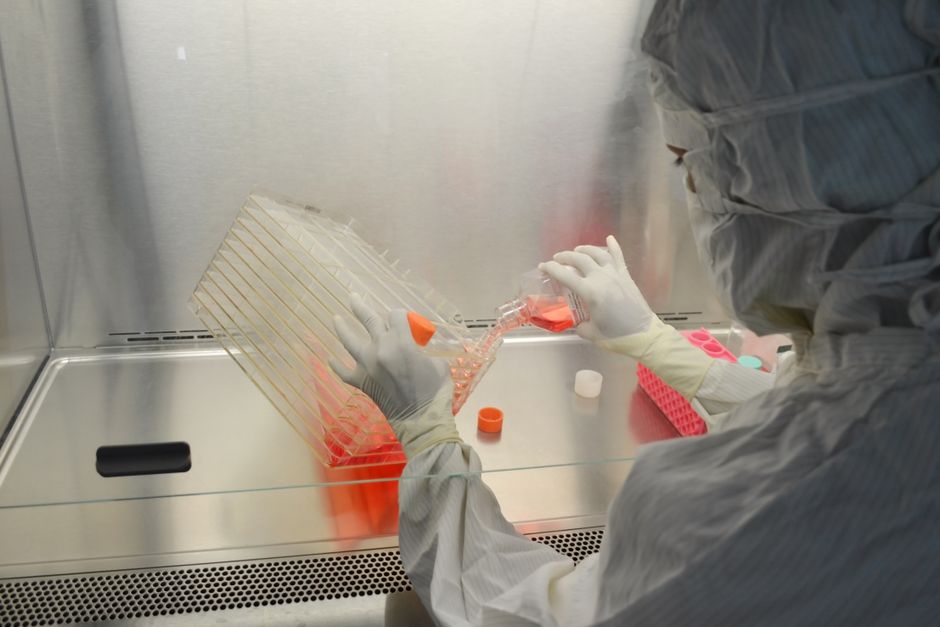
This technology employs synthetic gene circuits, built using advanced CRISPR-Cas systems like CRISPRi (interference) and CRISPRa (activation) with deactivated Cas9 (dCas9) fusions, to precisely control gene expression networks within a cell, enabling programmable changes in cell identity or function. It involves designing multiple guide RNAs to coordinate the activation or repression of specific genes in a complex, regulated manner. Prominent research groups include Feng Zhang's lab at the Broad Institute, Stanley Qi's lab at Stanford University, and various teams at the University of California, San Francisco (UCSF) and the Max Planck Institute, alongside numerous biotech startups. The technology is primarily in advanced academic research and early preclinical studies, demonstrating proof-of-concept for targeted cell reprogramming in vitro and in animal models. In a significant 2022 publication in *Nature Biotechnology*, researchers from Stanford and UCSF showcased CRISPR-based gene circuits capable of converting human fibroblasts into induced neurons with remarkably high efficiency and specificity, highlighting its potential for regenerative medicine. This offers a more precise, tunable, and potentially reversible method for directing cell fate compared to traditional cell reprogramming techniques, which often rely on less controlled viral delivery of transcription factor cocktails, thus reducing off-target effects and increasing safety.
Editorial check
How this page is checked
Source trail
nature.com
External links are separated from Surfaced commentary.
Reader safety
Context before clicks
Product links and external services are not presented as guarantees.
Monetization
No affiliate flag
Ads and commerce links are kept distinct from editorial text.
Surfaced take
Why It Matters
Regenerative medicine faces significant challenges in achieving precise control over cell identity and function, crucial for treating devastating diseases like Parkinson's, Type 1 diabetes, or spinal cord injuries that require replacing or repairing damaged cells. The global regenerative medicine market is projected to reach $170 billion by 2028, underscoring the demand for such breakthroughs. Envision a future where a patient with Type 1 diabetes receives an injection of bio-engineered cells, or even an *in situ* gene therapy, that uses CRISPR gene circuits to reprogram their own existing cells (e.g., liver cells) to produce insulin on demand, effectively providing a lasting cure without external insulin dependence. Patients stand to gain access to curative therapies for previously untreatable conditions, while biotech companies focused on advanced cell and gene therapy will thrive; pharmaceutical companies centered on chronic symptom management may need to significantly adapt their business models. Key hurdles include developing efficient and cell-specific *in vivo* delivery methods for CRISPR components, preventing potential off-target epigenetic changes, managing immune responses to the CRISPR machinery, ensuring the scalability of manufacturing, and navigating complex ethical considerations surrounding human cell manipulation. Initial targeted clinical applications, especially for ex vivo cell therapies or localized *in situ* treatments, could emerge within 10-15 years, with more widespread and complex therapeutic use requiring 20+ years. Research and development is highly competitive, led by institutions and startups in the United States (e.g., Broad Institute, Stanford), China (with significant CRISPR research investment), and various European countries. This technology could profoundly reshape personalized medicine, enabling the creation of 'designer tissues' or even organs tailored to individual needs; it also intensifies debates about the ethical implications of germline editing and human enhancement, should such precise cellular control become widely accessible.
Development Stage
Related

Repper
Repper is a web-based pattern design tool that allows users to create seamless, repeatable patterns for textiles, wallpapers, and digital backgrounds. It…

Lexica
Lexica is a powerful search engine and generator for AI-created art. It allows users to search through millions of AI-generated images, discover prompts used…
Enjoyed this? Get five picks like this every morning.
Free daily newsletter — zero spam, unsubscribe anytime.