Photo via Pexels
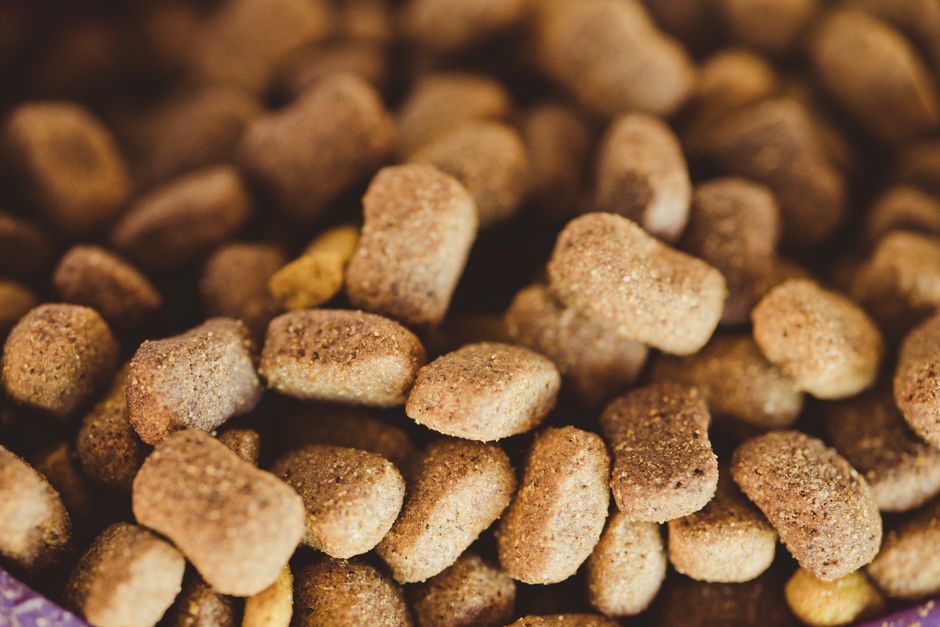
This involves growing animal cells (muscle, fat) specifically for use in pet food, providing a nutritious and sustainable protein source for cats and dogs. Similar to human cultivated meat, it uses a small cell sample and bioreactors, but the focus is on optimizing for pet nutritional needs and cost-effectiveness rather than human palate. Companies like Wild Earth, Bond Pet Foods, and Because Animals are actively developing cultivated meat for pets, often in collaboration with veterinary nutritionists. The technology is in the prototype and early commercialization stages, with initial product prototypes available for testing. Bond Pet Foods announced in February 2023 a successful pilot production run of its cultivated chicken protein for pet food, demonstrating scalability for commercial applications. This offers a way to feed beloved pets high-quality, animal-derived protein without contributing to the environmental burden or ethical concerns of industrial animal agriculture.
Editorial check
How this page is checked
Source trail
nature.com
External links are separated from Surfaced commentary.
Reader safety
Context before clicks
Product links and external services are not presented as guarantees.
Monetization
No affiliate flag
Ads and commerce links are kept distinct from editorial text.
Surfaced take
Why It Matters
The global pet food market is estimated at over $100 billion, with a significant portion dedicated to meat-based products that contribute to the environmental impact of livestock farming. Imagine a future where pet owners can nourish their companions with meat that is identical to traditional meat, but grown sustainably in a lab, reducing the carbon pawprint of their pets. Traditional meat renderers and industrial animal agriculture could face reduced demand from the pet food sector, while biotech startups and innovative pet food brands would gain market share. Main barriers include achieving significant cost reduction to compete with conventional pet food ingredients, and consumer acceptance for a novel ingredient in pet diets. A realistic timeline for widespread pet food product availability is 7-12 years. The US and Europe are leading this niche market. A second-order consequence is the potential to reduce the demand for 'feed-grade' meat, freeing up resources for human consumption or promoting more sustainable agricultural practices.
Development Stage
Related

Food Sensitivity Tracker
Food Sensitivity Tracker is a specialized app or web tool designed to help individuals systematically record their food intake and any subsequent physical…

NutriScan
NutriScan is a mobile application that uses advanced image recognition and AI to analyze the nutritional content of food items simply by taking a photo. Users…
Enjoyed this? Get five picks like this every morning.
Free daily newsletter — zero spam, unsubscribe anytime.