Photo via Pexels
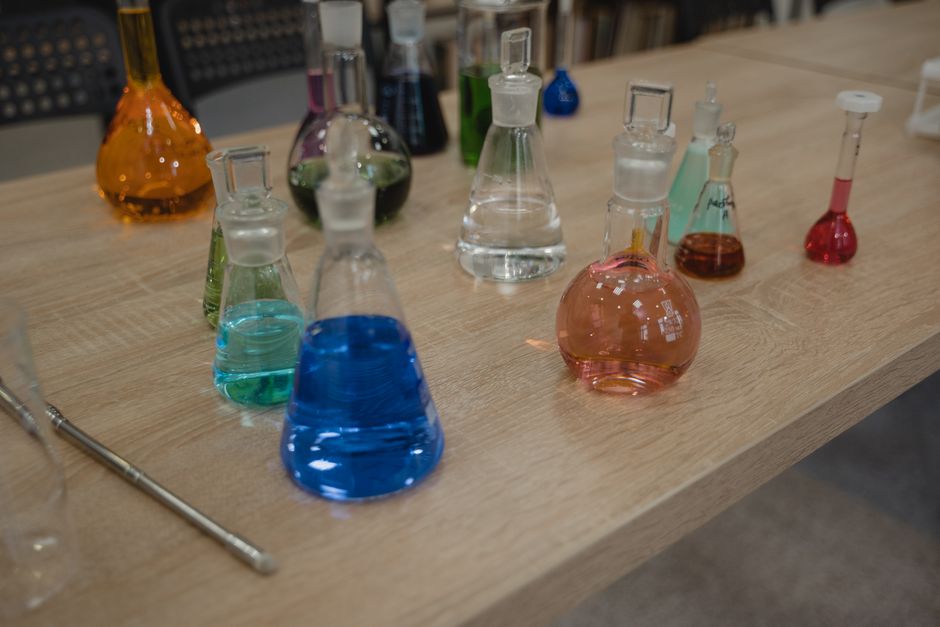
Scientists, including pioneers from the University of Leicester and York University, have championed the development and application of Deep Eutectic Solvents (DESs) as a green alternative to hazardous organic solvents. These novel solvents, typically formed from a mixture of a hydrogen bond donor and acceptor like choline chloride and urea, exhibit unique properties such as low volatility and non-toxicity. The methodology involves simply mixing two or more components that form a liquid mixture with a melting point significantly lower than its individual components. The surprising implication is that many chemical reactions can now be performed in safer, cheaper, and more environmentally friendly media, significantly reducing the chemical industry's environmental footprint. This field has seen numerous publications, including key reviews in *Green Chemistry*.
Editorial check
How this page is checked
Source trail
Editorial source pending
External links are separated from Surfaced commentary.
Reader safety
Context before clicks
Product links and external services are not presented as guarantees.
Monetization
No affiliate flag
Ads and commerce links are kept distinct from editorial text.
Surfaced take
Why It’s Fascinating
Experts are excited by DESs because traditional organic solvents are often volatile, flammable, and toxic, posing significant health and environmental risks throughout the chemical industry. This discovery challenges the long-held reliance on conventional, often hazardous, organic solvents in chemical synthesis and processing. Within 5-10 years, DESs are expected to replace many petrochemical-derived solvents across various sectors, from pharmaceutical manufacturing and biomass processing to electrochemistry and CO2 capture, leading to up to a 90% reduction in hazardous waste. Imagine laboratories and factories operating with safer, biodegradable liquids instead of harsh chemicals. Chemical engineers, pharmaceutical companies, and environmental regulatory bodies will benefit immensely from these sustainable alternatives. What if the majority of industrial chemical processes could be conducted in benign, nature-inspired solvents? This offers a fundamentally safer and more sustainable solvent platform compared to conventional organic solvents.
Related

Connected Papers
Connected Papers is a visually driven research tool that helps you discover and explore academic papers. By inputting a single paper, it generates a graph of…

sd
sd is an open-source command-line utility, written in Rust, designed as a modern, user-friendly, and blazing-fast alternative to the traditional `sed` command…
Enjoyed this? Get five picks like this every morning.
Free daily newsletter — zero spam, unsubscribe anytime.