Photo via Pexels
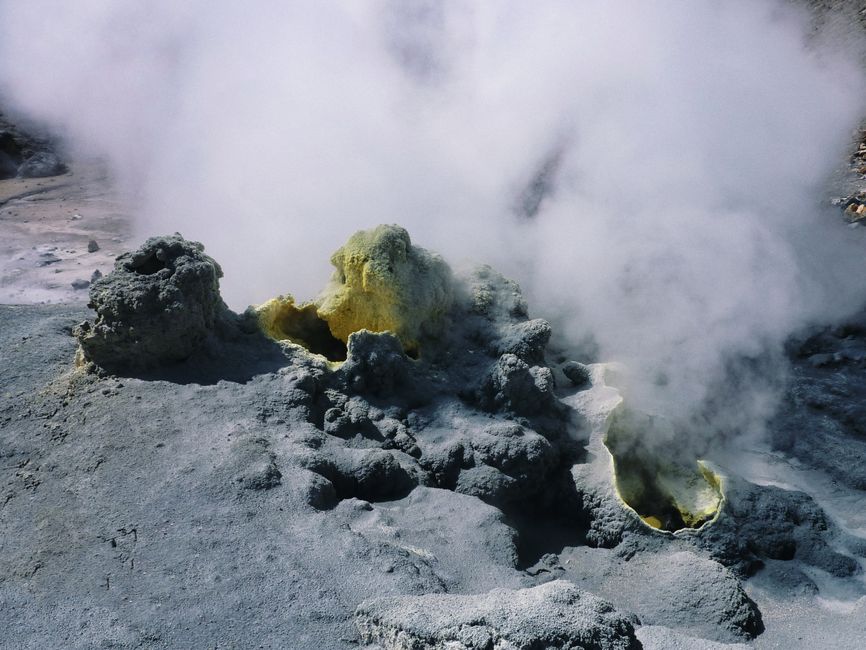
Scientists studying hydrothermal vents and cold seeps, notably researchers from the Monterey Bay Aquarium Research Institute (MBARI), have documented that complex ecosystems thriving without sunlight rely on chemosynthesis, a process independently evolved in various bacterial and animal lineages. Organisms like tube worms, mussels, and shrimp have repeatedly formed symbiotic relationships with chemosynthetic bacteria, utilizing chemicals like hydrogen sulfide or methane as energy sources. This convergent adaptation to extreme environments, often involving specialized gill structures or internal bacterial symbionts, demonstrates a powerful evolutionary solution to resource scarcity. The discovery shows that life can thrive and diversify in unexpected ways, even in the deepest, darkest parts of the ocean.
Editorial check
How this page is checked
Source trail
Editorial source pending
External links are separated from Surfaced commentary.
Reader safety
Context before clicks
Product links and external services are not presented as guarantees.
Monetization
No affiliate flag
Ads and commerce links are kept distinct from editorial text.
Surfaced take
Why It’s Fascinating
The independent evolution of chemosynthesis and subsequent complex symbioses in disparate deep-sea lineages was a profound discovery, challenging the long-held view that all life ultimately depends on solar energy. This confirms that alternative energy pathways can drive entire ecosystems, overturning the sun-centric model of life's energy flow for these specific niches. In the next 5-10 years, understanding these robust biochemical pathways could inspire novel bioremediation techniques for toxic waste or even guide the search for extraterrestrial life in environments lacking sunlight. It's like finding entire cities powered not by solar panels or wind farms, but by extracting energy directly from geothermal vents in the earth. Astrobiologists, biochemists, and deep-sea conservationists are among the key beneficiaries. Could there be other fundamental energy sources for life we haven't yet discovered?
Related

gping
gping is an open-source command-line utility, written in Rust, that offers a unique approach to network diagnostics by visualizing `ping` results. Its core…

Syncthing
Syncthing is a free and open-source continuous file synchronization program. It synchronizes files between two or more computers in real time, safely and…
Enjoyed this? Get five picks like this every morning.
Free daily newsletter — zero spam, unsubscribe anytime.