Photo via Pexels
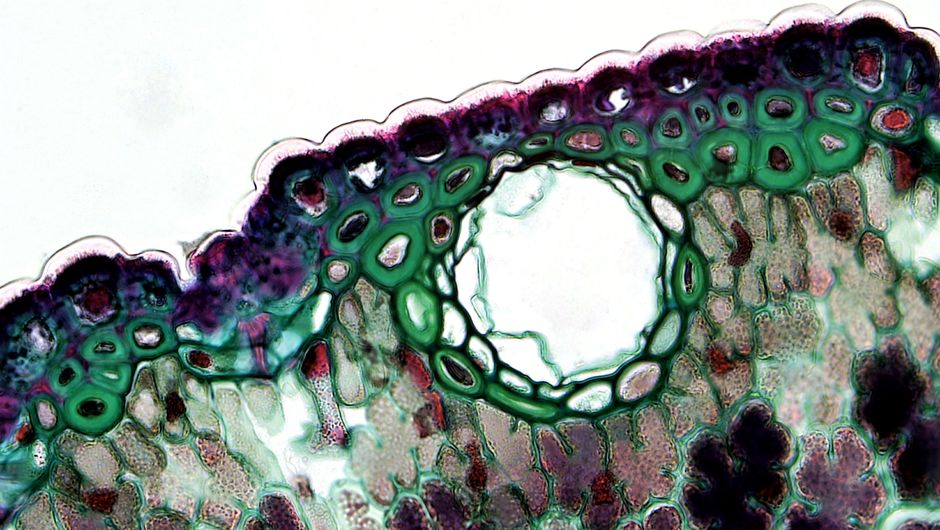
Researchers at the Joint BioEnergy Institute (JBEI) and Lawrence Berkeley National Lab have engineered novel enzymes that significantly enhance the breakdown of plant biomass into fermentable sugars for biofuels. This team modified existing cellulase enzymes to improve their activity and specificity against recalcitrant lignocellulosic materials. By optimizing enzyme cocktails, they achieved unprecedented efficiency in converting tough plant cell walls into usable sugars, minimizing waste products. This breakthrough addresses a major bottleneck in sustainable biofuel production, making it more economically viable to transform agricultural waste into renewable energy. The detailed findings were published in Nature Communications in November 2020.
Editorial check
How this page is checked
Source trail
Editorial source pending
External links are separated from Surfaced commentary.
Reader safety
Context before clicks
Product links and external services are not presented as guarantees.
Monetization
No affiliate flag
Ads and commerce links are kept distinct from editorial text.
Surfaced take
Why It’s Fascinating
The challenge of cost-effectively converting abundant lignocellulosic biomass into biofuels has hindered widespread adoption, making JBEI's engineered enzymes a crucial step forward by offering a cheaper and more efficient pathway. This research overturns previous limitations on enzyme efficacy for such complex substrates, demonstrating that biological catalysts can be precisely tuned for industrial-scale biomass deconstruction. Within the next decade, this technology could underpin a new generation of biorefineries, turning agricultural residues and dedicated energy crops into sustainable aviation fuel or green chemicals. It's like unlocking the nutritional value of tough fibrous plants, making them readily digestible for energy production. Farmers, bioenergy companies, and governments focused on reducing fossil fuel dependence will benefit most. What role will synthetic biology play in designing even more powerful enzymes for future energy solutions?
Related

Jurassic Park computers in excruciating detail
This website provides an in-depth, detailed exploration of the computer systems and technologies featured in the movie 'Jurassic Park.' It meticulously breaks…

KanbanFlow
KanbanFlow is a free, web-based Kanban board designed to help individuals and teams visualize their workflow and manage tasks efficiently. It supports a highly…
Enjoyed this? Get five picks like this every morning.
Free daily newsletter — zero spam, unsubscribe anytime.