Photo via Pexels
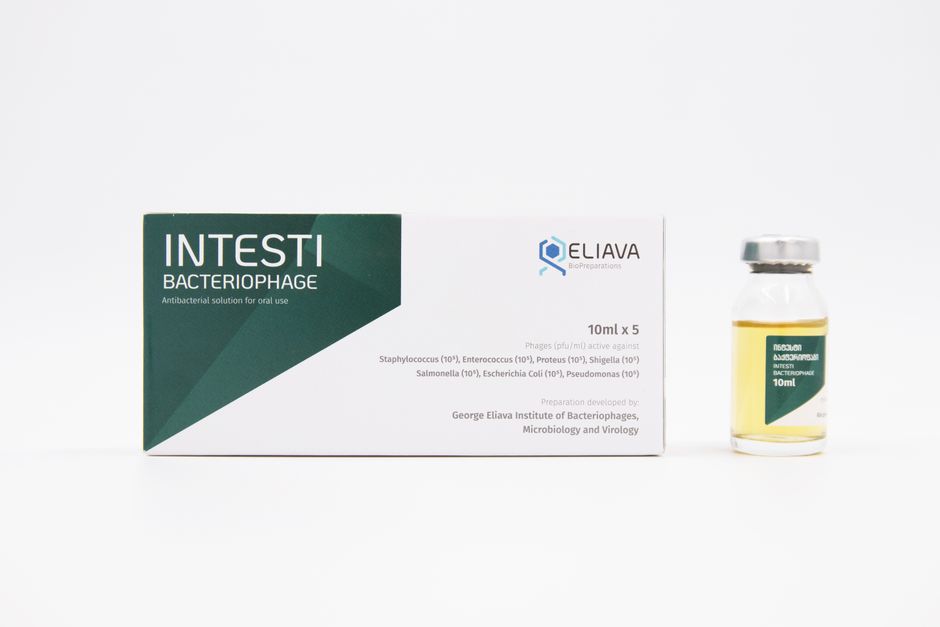
Engineered bacteriophages are viruses that specifically infect and kill bacteria, modified through synthetic biology to enhance their efficacy, broaden their target range, or reduce immunogenicity. These modifications can involve inserting genes for antimicrobial enzymes, removing undesirable genes, or engineering host specificity to precisely target antibiotic-resistant bacteria. Active research is conducted by companies like Adaptive Phage Therapeutics, PhagePro, Inc., and academic centers such as the University of Pittsburgh Medical Center and Baylor College of Medicine. This technology is in advanced preclinical and early clinical trial stages, primarily for compassionate use cases against multidrug-resistant infections. In 2023, the FDA granted expanded access for an engineered phage cocktail developed by Adaptive Phage Therapeutics to treat a patient with a life-threatening Pseudomonas aeruginosa infection, demonstrating clinical utility. This offers a highly targeted and potentially self-replicating alternative to traditional antibiotics, which are becoming increasingly ineffective.
Editorial check
How this page is checked
Source trail
locus.bio
External links are separated from Surfaced commentary.
Reader safety
Context before clicks
Product links and external services are not presented as guarantees.
Monetization
No affiliate flag
Ads and commerce links are kept distinct from editorial text.
Surfaced take
Why It Matters
Antibiotic resistance is a global health crisis, projected to cause 10 million deaths annually by 2050 and cost the global economy $100 trillion if unchecked. Engineered phage therapy could provide a crucial new weapon against these superbugs, saving countless lives and reducing healthcare costs. Patients with untreatable infections would experience life-saving treatments; biotech companies developing phage therapies would win, while traditional antibiotic manufacturers might face pressure to innovate or decline. Key barriers include regulatory pathways for living therapeutics, overcoming bacterial resistance to phages, and ensuring safe and effective delivery to infection sites. Limited clinical applications could be seen in 3-7 years, with broader use in 10-15 years. The US (NIH, DARPA), Belgium (Queen Astrid Military Hospital), and France are leaders in phage therapy research and clinical application. An underappreciated consequence is the shift from broad-spectrum treatments to highly personalized infection management, requiring rapid diagnostic capabilities to identify specific bacterial strains for targeted phage cocktails.
Development Stage
Related

TypeTherapy
TypeTherapy is a unique web-based tool that helps users improve their typing speed and accuracy through a series of focused exercises. It offers a clean…

Awesome GPT-Image2
awesome-gpt-image-2 is an industrial-grade prompt engineering engine and template library designed for AI image generation. It provides over 370…
Enjoyed this? Get five picks like this every morning.
Free daily newsletter — zero spam, unsubscribe anytime.