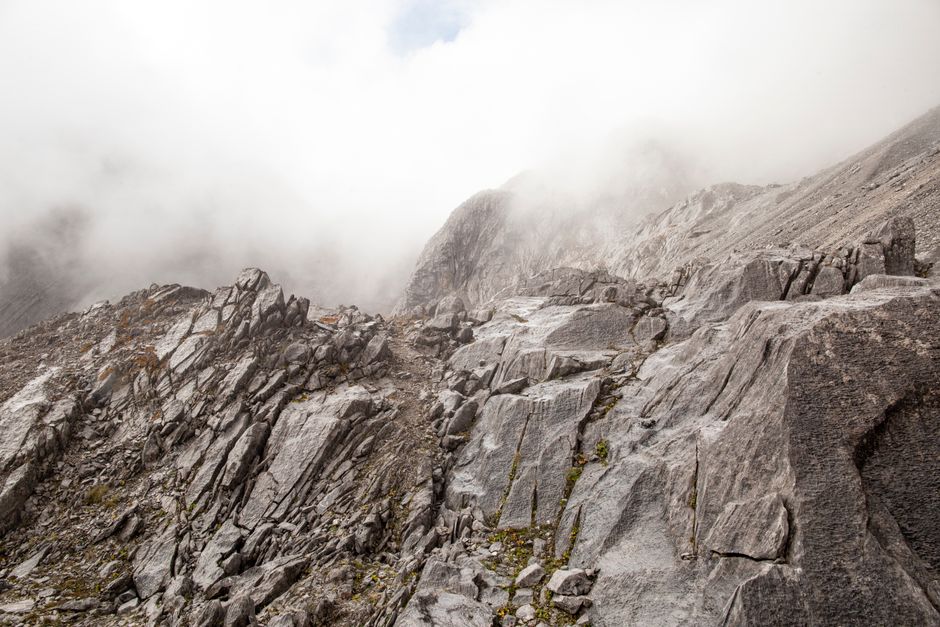
Photo via Pexels
Enhanced Rock Weathering (ERW) is a carbon dioxide removal (CDR) technique that accelerates natural geological processes to sequester CO2 from the atmosphere. It involves spreading finely crushed silicate rocks, such as basalt or olivine, over agricultural land or coastal areas, where they react with atmospheric CO2 and water to form bicarbonates, which are then transported to the oceans and stored stably for millennia. Project CarbFix in Iceland (focusing on CO2 mineralization) and research by the University of Sheffield's Leverhulme Centre for Climate Change Mitigation are key players. This technology is in early commercialization, with several startups and research initiatives conducting field trials; for instance, the UK's Ruminant project began large-scale field trials across 20 farms in 2022 to assess basalt application. ERW offers a permanent CO2 removal solution, unlike temporary carbon storage methods.
Editorial check
How this page is checked
Source trail
projectvesta.org
External links are separated from Surfaced commentary.
Reader safety
Context before clicks
Product links and external services are not presented as guarantees.
Monetization
No affiliate flag
Ads and commerce links are kept distinct from editorial text.
Surfaced take
Why It Matters
Atmospheric CO2 concentrations, currently over 420 ppm, are driving climate change, necessitating gigaton-scale removal to meet net-zero targets and avoid catastrophic warming impacts. Widespread ERW could remove billions of tons of CO2 annually, helping stabilize global temperatures and even drawing down legacy emissions, creating a more stable climate for future generations. Farmers could benefit from potential soil improvements (e.g., pH buffering, nutrient release) and new revenue streams, while the mining and rock-crushing industries would see significant growth. Challenges include the vast scale of rock material needed, energy demands for crushing and transport, and ensuring no negative impacts on soil chemistry or water quality. Small-scale commercial projects are emerging now, with significant scaling expected by 2035-2040, driven by carbon credit markets. Countries like the UK, US, and Australia are investing in ERW research and pilot projects. A second-order consequence is the potential for increased demand for mining operations to supply the silicate rock, leading to environmental impacts in mining regions if not managed sustainably.
Development Stage
Related
procs
procs is an open-source command-line utility, written in Rust, that serves as an enhanced, user-friendly replacement for the traditional `ps` command. Its core…

ds4
ds4 (DeepSeek 4 Flash) is a highly optimized local inference engine designed specifically for Apple Silicon Macs with Metal GPU support. It allows users to run…
Enjoyed this? Get five picks like this every morning.
Free daily newsletter — zero spam, unsubscribe anytime.