f.lux is a popular, free software application developed by Michael Herf and Lorna Herf, designed to improve digital well-being. Its core feature is automatically and subtly adjusting the color temperature of your computer's display throughout the day, transitioning from a brighter, bluer light during daylight hours to a warmer, amber hue as evening approaches. It's built for anyone who spends significant time in front of a computer screen, particularly in the evenings or late at night, including office workers, students, and gamers. Once installed, f.lux runs silently in the background, detecting your location and time zone to apply appropriate screen adjustments without user intervention. It's available for Windows, macOS, Linux, and previously iOS, with many modern operating systems having integrated similar features inspired by f.lux.
Editorial check
How this page is checked
Source trail
justgetflux.com
External links are separated from Surfaced commentary.
Reader safety
Context before clicks
Product links and external services are not presented as guarantees.
Monetization
No affiliate flag
Ads and commerce links are kept distinct from editorial text.
Surfaced take
Why It’s Useful
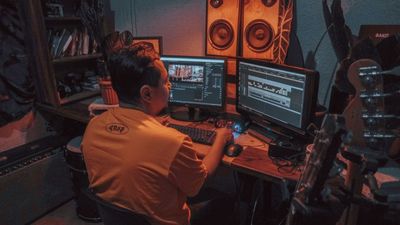
f.lux offers a superior and automated solution compared to manually adjusting screen brightness or wearing blue-light filtering glasses, which can be cumbersome or less effective; research indicates blue light suppression can improve sleep latency by 10-15 minutes. A software developer working late on a project can use f.lux to reduce eye strain during long coding sessions, preventing fatigue and ensuring they can wind down more easily after work. An online student studying into the night can benefit from f.lux by minimizing the disruption to their circadian rhythm, helping them maintain a healthy sleep schedule despite late-night assignments. f.lux is entirely free to download and use, relying on donations for its continued development, making it highly accessible. Many users don't immediately realize its 'movie mode' or 'disable for an hour' options, which are crucial for tasks requiring accurate color representation (e.g., photo editing) or for short breaks from the warm tint. While widely adopted, its core functionality has been integrated into operating systems like Windows (Night Light) and macOS (Night Shift), making a dedicated third-party app less 'necessary' for some, though f.lux often offers more granular control. f.lux has a long-standing, stable presence with infrequent but impactful updates, reflecting its mature and effective design, and maintains a community forum for support and discussions.





Enjoyed this? Get five picks like this every morning.
Free daily newsletter — zero spam, unsubscribe anytime.