Photo via Pexels
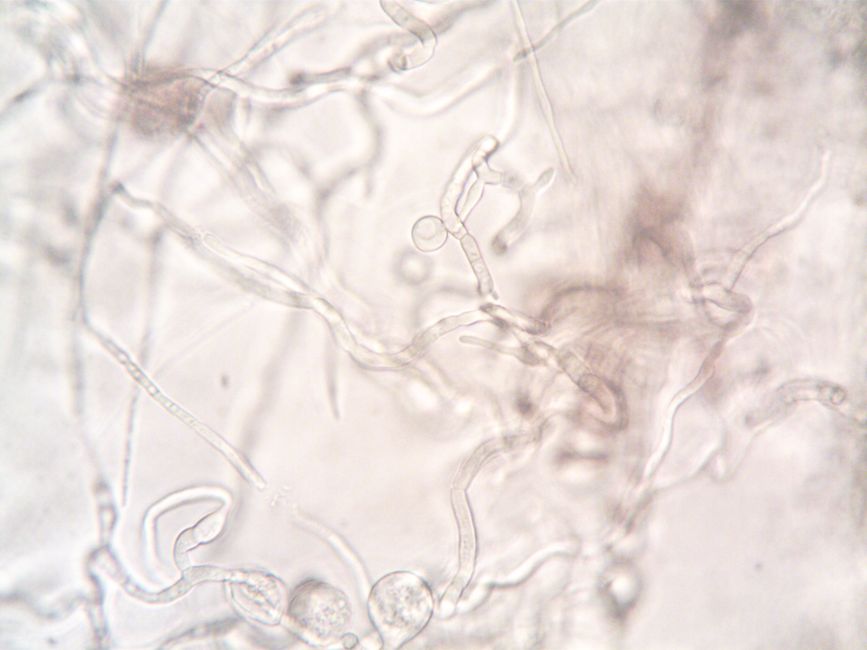
Researchers have discovered a colossal underground fungal network spanning hundreds of square kilometers in Antarctica, identified through extensive soil sampling and DNA analysis. Published in 'Nature Ecology & Evolution' in 2023, the findings suggest this ancient mycelial web is a crucial but previously unrecognized component of the continent's sparse ecosystem. This discovery challenges our understanding of subterranean life and nutrient cycling in extreme environments.
Editorial check
How this page is checked
Source trail
nature.com
External links are separated from Surfaced commentary.
Reader safety
Context before clicks
Product links and external services are not presented as guarantees.
Monetization
No affiliate flag
Ads and commerce links are kept distinct from editorial text.
Surfaced take
Why It’s Fascinating
The sheer scale of this fungal network, potentially the largest single organism on Earth, is astounding. Fungi are known for their intricate underground networks, but finding one of this magnitude in the seemingly barren Antarctic landscape overturns assumptions about life's persistence under extreme conditions. It suggests a far more interconnected and active subterranean biosphere than previously imagined. This could have significant implications for understanding carbon sequestration and nutrient distribution in polar regions, especially as climate change impacts these sensitive environments. It raises the question: what other hidden biological giants lie undiscovered beneath Earth's most extreme surfaces?
Related

Decoding the obfuscated bash script on a Uniqlo t-shirt
This blog post meticulously dissects a complex, obfuscated bash script found embedded within the firmware of a Uniqlo smart t-shirt. The author, a security…

Fundraisly
Fundraisly is an advanced AI agent specifically designed to revolutionize the fundraising process for startups and businesses. It leverages vast datasets of…
Enjoyed this? Get five picks like this every morning.
Free daily newsletter — zero spam, unsubscribe anytime.