Photo via Pexels
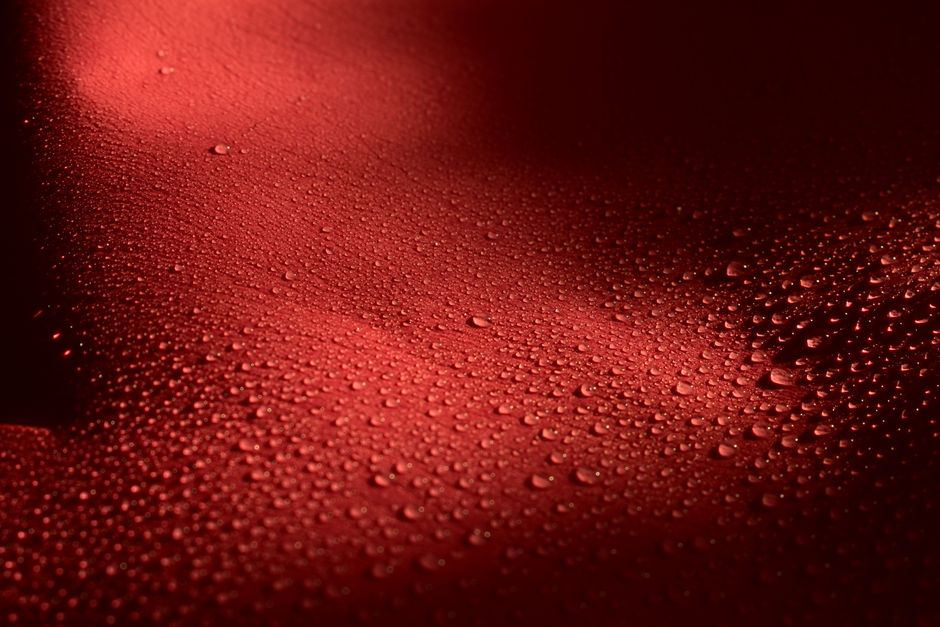
Scientists at the Harvard John A. Paulson School of Engineering and Applied Sciences have developed a novel biomimetic surface capable of harvesting significantly more water from fog and air. Inspired by the structures of cacti and desert beetles, this material was shown to collect 120% more water than current best-in-class designs. The team achieved this by optimizing conical shapes and combining hydrophilic (water-attracting) and hydrophobic (water-repelling) patterns on the surface. This innovative design allows for efficient condensation, collection, and transport of water droplets, even in arid environments. This breakthrough offers a promising solution for water scarcity in many regions.
Editorial check
How this page is checked
Source trail
nature.com
External links are separated from Surfaced commentary.
Reader safety
Context before clicks
Product links and external services are not presented as guarantees.
Monetization
No affiliate flag
Ads and commerce links are kept distinct from editorial text.
Surfaced take
Why It’s Fascinating
This is particularly interesting because it leverages millions of years of natural evolution to solve a critical human problem: access to clean water. It demonstrates how understanding nature's ingenuity can lead to engineering solutions that far surpass conventional designs. Within 5-10 years, this material could be deployed in large-scale fog harvesting nets in arid coastal regions, providing a sustainable source of drinking water for communities. Think of it as a super-efficient, artificial leaf or a beetle's back, exquisitely designed to pull moisture directly from the air. Humanitarian organizations, agricultural communities, and populations in water-stressed areas stand to benefit enormously. What other pressing global challenges could be solved by drawing deeper inspiration from natural designs?
Related

Artbreeder
Artbreeder is an AI-powered platform that allows users to create and manipulate images through a process of 'breeding.' Users can start with existing images or…

Palette Inspiration
Palette Inspiration allows users to explore and discover color palettes derived from the artworks of master painters throughout history. By analyzing thousands…
Enjoyed this? Get five picks like this every morning.
Free daily newsletter — zero spam, unsubscribe anytime.