Photo via Pexels
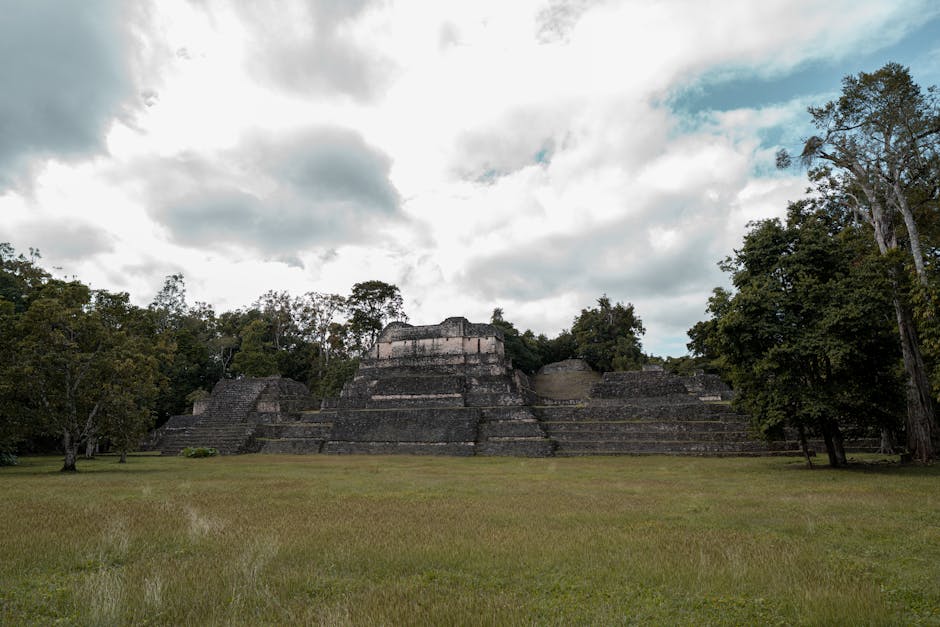
Researchers from the PACUNAM Foundation, utilizing airborne LiDAR technology, have unveiled a sprawling network of ancient Maya cities beneath the dense Guatemalan jungle. This discovery includes over 60,000 previously unrecorded structures, encompassing pyramids, palaces, and extensive agricultural terraces. The methodology involved firing billions of laser pulses at the ground, mapping the terrain beneath the forest canopy. This revelation suggests that Maya populations were far larger and their societies more complex than previously estimated, potentially exceeding 10 million people during the Classic Period. The findings were published in a special issue of Science in early 2018.
Editorial check
How this page is checked
Source trail
Editorial source pending
External links are separated from Surfaced commentary.
Reader safety
Context before clicks
Product links and external services are not presented as guarantees.
Monetization
No affiliate flag
Ads and commerce links are kept distinct from editorial text.
Surfaced take
Why It’s Fascinating
Experts were profoundly surprised by the sheer scale of the hidden infrastructure, which fundamentally overturns long-held assumptions about Maya demographics and agricultural capacity. This discovery not only redefines our understanding of ancient Mesoamerican urbanization but also provides crucial insights into how large populations sustained themselves in challenging environments. A concrete real-world application could be in modern urban planning, studying ancient resilient agricultural systems for sustainable food production within 5-10 years. Imagine peeling back a forest like a giant blanket to find an entire forgotten civilization thriving beneath, akin to discovering a lost continent of cities. Policymakers and historians benefit most from this, gaining a clearer picture of ancient societal organization and ecological interaction. What other vast, ancient civilizations might still be hidden beneath Earth's untouched landscapes?
Related

What algorithm did Windows XP use to choose your initial user picture?
This technical deep dive from Microsoft's 'Old New Thing' blog unravels the specific algorithm employed by Windows XP to assign default user pictures upon…

Insight Timer: Meditation App
Insight Timer, developed by the same team, is the world's largest free meditation app, offering thousands of guided meditations, talks, and ambient sounds from…
Enjoyed this? Get five picks like this every morning.
Free daily newsletter — zero spam, unsubscribe anytime.