Photo via Pexels
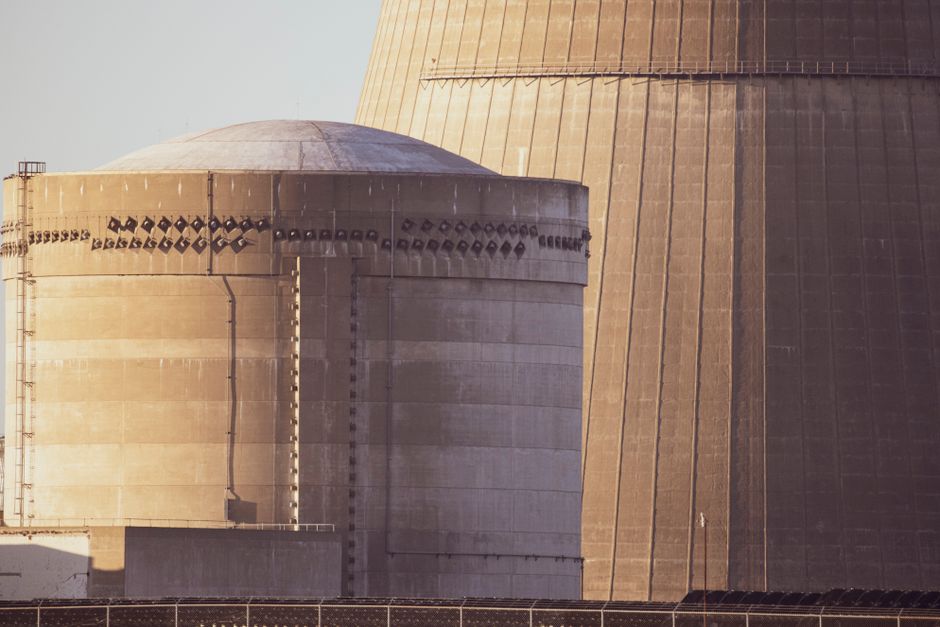
Lead-Cooled Fast Reactors (LFRs) are Generation IV nuclear reactors that use molten lead or lead-bismuth eutectic as the primary coolant instead of water, and fast neutrons to sustain the fission chain reaction. This heavy liquid metal coolant allows for operation at high temperatures with low pressure, enhancing passive safety features and thermal efficiency. Organizations like Westinghouse, the Russian State Atomic Energy Corporation Rosatom, and the European Sustainable Nuclear Industrial Initiative (ESNII) are leading development efforts. LFRs are currently in the advanced design and prototype stage, with Rosatom's BREST-OD-300 reactor under construction in Seversk, Russia, aiming for criticality around 2026. This design offers inherent safety advantages over light-water reactors, such as a high boiling point for the coolant, preventing loss-of-coolant accidents.
Editorial check
How this page is checked
Source trail
rosatom.ru
External links are separated from Surfaced commentary.
Reader safety
Context before clicks
Product links and external services are not presented as guarantees.
Monetization
No affiliate flag
Ads and commerce links are kept distinct from editorial text.
Surfaced take
Why It Matters
Mitigating climate change requires vast amounts of carbon-free electricity, and LFRs offer a path to significantly reduce nuclear waste and increase fuel efficiency in the $2 trillion global electricity market. If mainstream, LFRs could power entire cities with minimal fuel, extending the lifespan of existing nuclear waste by "burning" actinides and reducing the need for new uranium mining. Companies like Westinghouse and countries like Russia are vying for leadership, aiming to capture market share by offering reactors with enhanced safety and waste management benefits. Technical challenges include material corrosion resistance to molten lead and ensuring robust seismic resilience for large-scale deployment. A realistic timeline for commercial deployment is 2035-2045, following successful operation of demonstration units. A less-considered consequence is the potential for these reactors to enable long-duration missions in space, providing compact and powerful energy sources.
Development Stage
Related

LottieFiles
LottieFiles is a comprehensive platform developed by a Malaysian startup, dedicated to all things Lottie – a JSON-based animation file format that enables…

Carbon
Carbon, an open-source project developed by Dawn Labs, is a web-based tool designed to create and share beautiful images of your source code. It allows users…
Enjoyed this? Get five picks like this every morning.
Free daily newsletter — zero spam, unsubscribe anytime.