Photo via Pexels
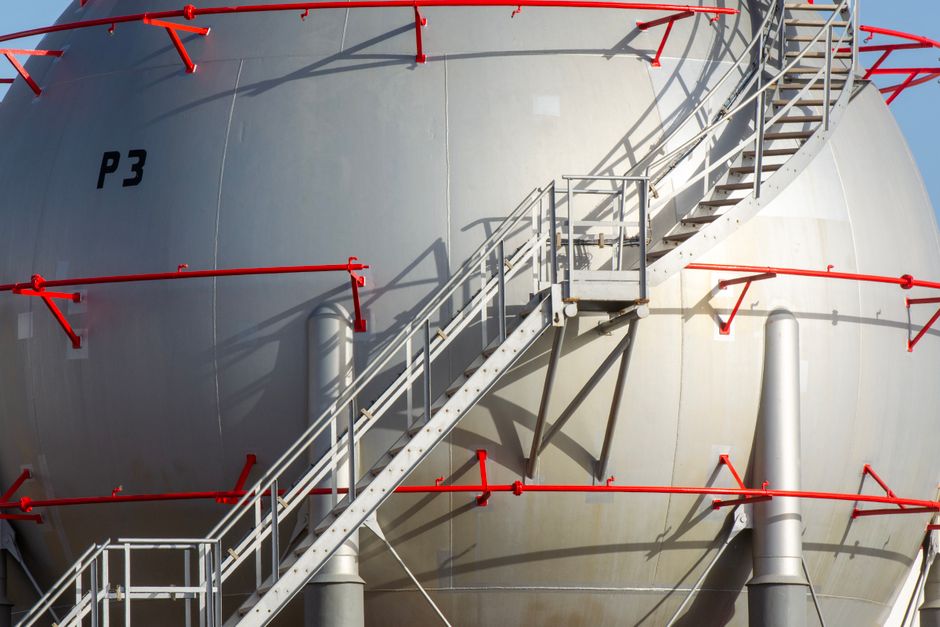
Liquid Air Energy Storage (LAES) works by using electricity to cool and liquefy ambient air, storing it as cryogenic liquid oxygen and nitrogen. When power is needed, the liquid air is vaporized, expanded through a turbine to drive a generator, and then reheated using waste heat. This process leverages established industrial gas technologies for grid-scale energy storage. Highview Power is the primary commercial developer, with significant research also conducted by universities like Imperial College London. LAES technology is currently in the early commercialization phase, with several demonstration plants and initial utility-scale projects. Highview Power recently broke ground on a 50MW/250MWh LAES plant in Carrington, UK, expected to be operational by 2024. Unlike chemical batteries, LAES systems are non-flammable, use abundant resources (air), and can provide multi-hour to multi-day storage.
Editorial check
How this page is checked
Source trail
highviewpower.com
External links are separated from Surfaced commentary.
Reader safety
Context before clicks
Product links and external services are not presented as guarantees.
Monetization
No affiliate flag
Ads and commerce links are kept distinct from editorial text.
Surfaced take
Why It Matters
The critical problem is the need for flexible, long-duration energy storage to integrate intermittent renewables and improve grid resilience, addressing a global grid modernization market worth $270 billion annually. If mainstream, LAES would allow cities to store weeks' worth of renewable energy, ensuring stable power even during prolonged periods of low wind or sun. Investors in renewable infrastructure and industrial gas companies would gain, while coal and gas power plants facing displacement would be negatively impacted. Main barriers include achieving high round-trip efficiency (currently around 55-70%) and optimizing the integration of waste heat sources to improve performance. Widespread deployment is anticipated from 2030 onwards, becoming a significant part of the energy mix by 2040. The UK is a frontrunner in LAES development, with interest growing in the US and Europe. A second-order consequence could be the co-production of liquid nitrogen and oxygen for industrial or medical uses, creating additional revenue streams and resource efficiency.
Development Stage
Related

dust
dust is an open-source command-line utility, written in Rust, that functions as a more intuitive and visually appealing replacement for the standard `du`…

QuickCode.io
QuickCode.io, a minimalist web-based tool developed by a small team, serves as a simple and efficient online snippet manager designed for quick access and…
Enjoyed this? Get five picks like this every morning.
Free daily newsletter — zero spam, unsubscribe anytime.