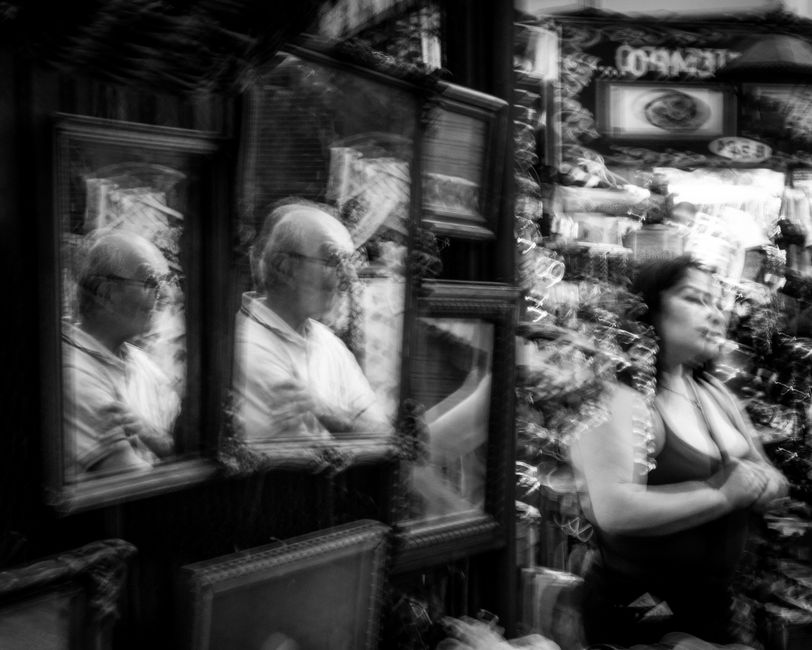
Photo via Pexels
Research by Dr. Kimberly Wade and colleagues at the University of Warwick demonstrated that photo manipulation can implant entirely false memories. In a study, 50% of participants developed a false memory of riding in a hot air balloon, a non-existent childhood event, after seeing a doctored photograph. This was achieved by digitally inserting the participant into a fabricated image, leading them to confabulate details about the event over several interviews. The surprising implication is how easily our personal histories can be rewritten by seemingly innocuous visual cues. (Published in Applied Cognitive Psychology, 2002).
Editorial check
How this page is checked
Source trail
onlinelibrary.wiley.com
External links are separated from Surfaced commentary.
Reader safety
Context before clicks
Product links and external services are not presented as guarantees.
Monetization
No affiliate flag
Ads and commerce links are kept distinct from editorial text.
Surfaced take
Why It’s Fascinating
Experts were surprised by the high rate of false memory implantation, highlighting the reconstructive nature of memory rather than a perfect recording. This overturns the naive belief that memories, especially visual ones, are always accurate representations of the past. A concrete application could involve refining interrogation techniques or developing therapies for trauma, though ethical considerations are paramount. It's like a film director adding a fake scene to a documentary – your brain then processes it as real footage. Eyewitness testimony, legal professionals, and historians could benefit from understanding this vulnerability. How much of our personal narrative is truly accurate, and how much is influenced by external suggestions?
Related

Radiant Gallery
Radiant Gallery is a minimalist, privacy-focused photo sharing platform designed for small groups and families. It offers a clean interface where users can…

Ark (Desktop App)
Ark is a desktop application that acts as a central hub for managing your digital assets, such as photos, videos, documents, and creative projects. It provides…
Enjoyed this? Get five picks like this every morning.
Free daily newsletter — zero spam, unsubscribe anytime.