Photo via Pexels
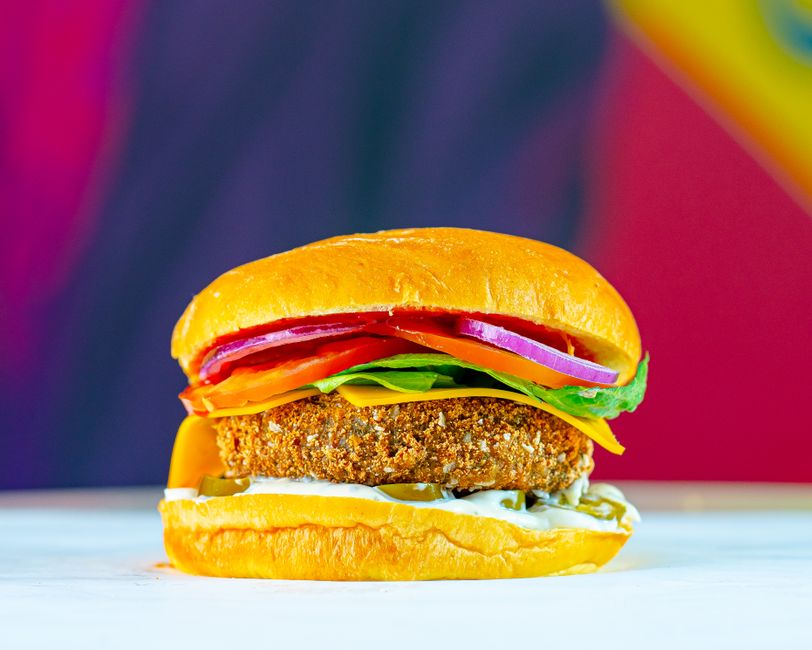
Microbial-derived texturizing proteins involve using precision fermentation to produce novel proteins that can enhance the texture, mouthfeel, and binding properties of plant-based meat alternatives. These proteins, often bio-identical to animal proteins or entirely new compositions, are expressed by engineered microorganisms in bioreactors, offering functionalities that improve the sensory experience of plant-based foods. Companies such as Motif FoodWorks (with HEMAMI for umami) and The EVERY Company (with animal-free egg proteins) are actively developing these functional ingredients. This technology is in early commercialization, with Motif FoodWorks' HEMAMI ingredient improving the 'bloody' taste and texture of plant-based burgers, available in products since 2021. This approach aims to bridge the sensory gap between plant-based and conventional meat, addressing a key consumer barrier.
Editorial check
How this page is checked
Source trail
Editorial source pending
External links are separated from Surfaced commentary.
Reader safety
Context before clicks
Product links and external services are not presented as guarantees.
Monetization
No affiliate flag
Ads and commerce links are kept distinct from editorial text.
Surfaced take
Why It Matters
The plant-based meat market is projected to reach over $15 billion, but a significant challenge is replicating the complex taste and texture of animal meat to attract mainstream consumers beyond initial adopters. Integrating microbial-derived texturizing proteins means plant-based burgers, sausages, and chicken could achieve a much more satisfying and realistic sensory experience, driving broader acceptance and consumption. Traditional ingredient suppliers (e.g., soy, pea protein) might need to adapt or partner, while biotech ingredient companies and plant-based food manufacturers would gain a competitive advantage. Technical barriers include engineering proteins with specific, robust textural properties, scaling production economically, and ensuring clean label acceptance by consumers. Widespread integration into plant-based products is expected within 3-7 years, with companies in the US and Europe heavily investing in this innovation. A less obvious consequence could be a blurring of lines between 'plant-based' and 'animal-free,' as some ingredients are neither plant nor animal in origin but are produced by microbes.
Development Stage
Related

Belgium Stops Nuclear Power Plant Decommissioning
This news article, likely from a reputable international news agency, reports on a critical policy reversal by the Belgian government regarding its…

Nutrionix
Nutrionix is a sophisticated, freemium health and nutrition tracking application designed to empower users with detailed insights into their dietary habits and…
Enjoyed this? Get five picks like this every morning.
Free daily newsletter — zero spam, unsubscribe anytime.